
5 Automation Hacks to Cut Utility Bills
By KALKEE Editorial Staff
Updated June 10, 2026 • Verified by Industry Experts
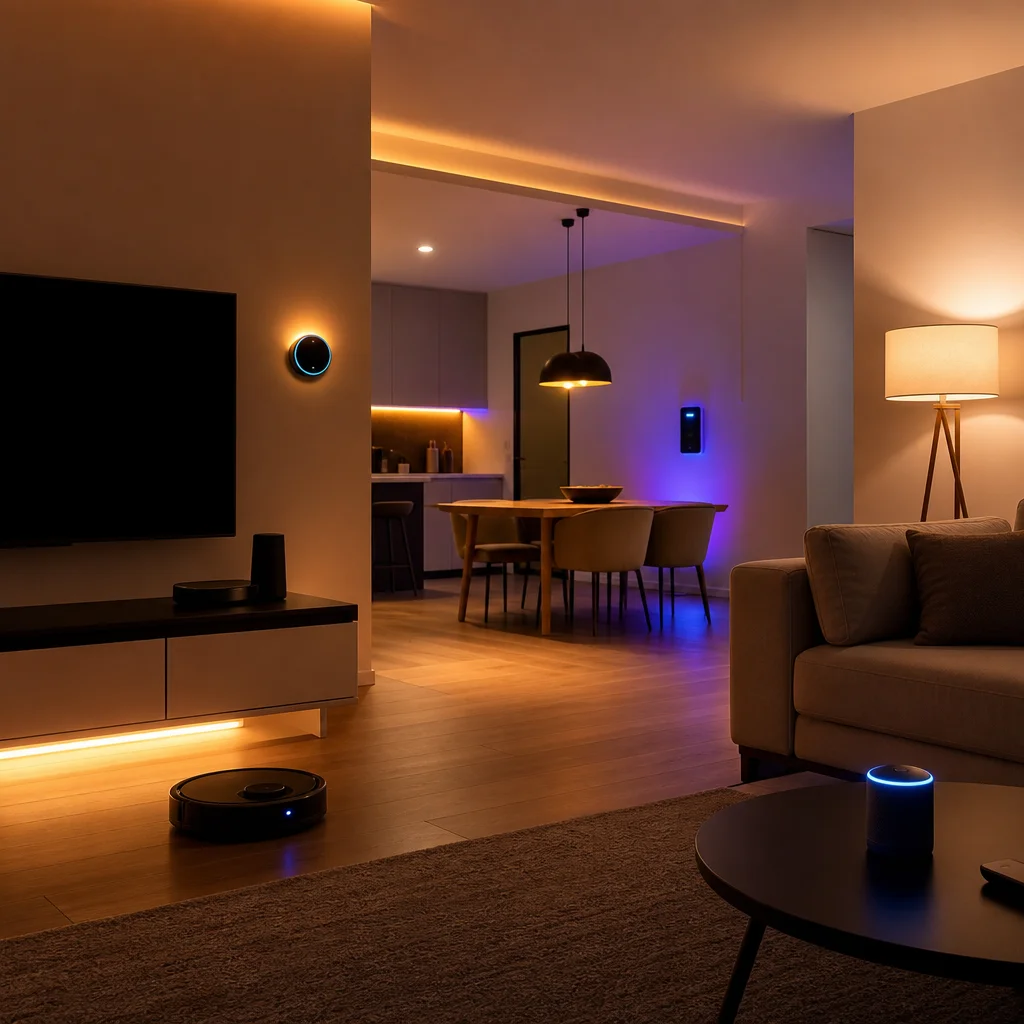
Introduction: Connected Living and 5 Automation Hacks to Cut Utility Bills
If you've been eyeing the latest smart home gadgets, you're not alone. Here's the thing about smart technology: it's no longer just a luxury for early adopters; it has become an essential part of comfortable, energy-efficient modern living. Navigating the world of connected devices for 5 Automation Hacks to Cut Utility Bills can feel overwhelming with all the competing protocols and system standards. But don't worry, building a smart home from scratch doesn't require a degree in computer science.
Simple smart home automation routines that pay for themselves in electricity and water savings.
In this guide, we take a tech-savvy but highly approachable look at the devices, routers, and automations that make connected living possible. We will break down complex tech jargon simply, compare the best hardware specs, and share practical routines that make your home safer, smarter, and significantly more efficient.

Key Considerations and Planning Factors
When executing a project as important as 5 Automation Hacks to Cut Utility Bills, homeowners must analyze several crucial factors that influence total costs, durability, and project timelines. Understanding these variables upfront prevents mid-project surprises and ensures that you align your expectations with reality.
- Material Selection and Grades: The quality of the products you choose will dictate the lifespan and aesthetic quality of the project. While builder-grade materials save money upfront, premium materials offer superior durability and are almost always more cost-effective over a ten-year cycle.
- Labor and Professional Craftsmanship: Specialized tasks require certified, licensed pros. Attempting to DIY complex structural, electrical, or plumbing work can lead to building code violations, structural damage, and unsafe conditions that can compromise your home's resale value.
- Permits, Inspections, and Local Codes: Compliance with municipal regulations is mandatory for most structural renovations. Securing the necessary permits and passing local inspections ensures that the work meets safety standards and prevents major legal issues when selling your property.
- Site Preparation and Environmental Conditions: Existing conditions, such as high attic humidity, slab moisture transmission, or structural damage (like rotted joists or dry rot), must be corrected before new installations or decor finishes can begin. Failure to do so will compromise the integrity of the new work.
By systematically addressing these variables during the planning phase, you establish a solid foundation for your project, protect your capital investment, and ensure that the final result meets your expectations.

Smart Solutions and Tech Comparisons for 5 Automation Hacks to Cut Utility Bills
Taking a closer look at the mechanisms behind 5 Automation Hacks to Cut Utility Bills reveals the importance of proper system design and strategic planning. Homeowners who take the time to understand the technical details of their home systems are far better equipped to select the right products, ask contractors the right questions, and negotiate fair labor contracts. Whether you are dealing with structural materials, financial products, smart home routers, or service agreements, the underlying principles of quality and planning remain consistent.
For example, if you are looking at structural improvements (like HVAC, roofing, or flooring), the integration of energy-efficient designs (such as high-SEER cooling units or energy-star double-hung windows) not only lowers monthly utility bills but also qualifies your property for federal tax credits. In the case of interior decor, visual balance is achieved by carefully layer lighting and textures, ensuring that functional items are styled beautifully. When evaluating financial options, calculating the true APR and looking out for hidden origination fees can save you thousands of dollars over the life of a renovation loan.
Similarly, smart home technology relies heavily on robust network infrastructures. If you plan to install multiple smart security cameras, smart switches, and automation hubs, upgrading to a tri-band mesh Wi-Fi system is essential to prevent network congestion. For those considering the best diy home security systems, options like a wireless home security systems diy setup offer flexibility and control. When comparing simplisafe vs ring alarm, you'll find each has unique strengths for self install home security systems. A best wireless home security system no monthly fee can save you recurring costs, while cheap diy home security systems provide budget-friendly entry points. For renters, best diy home security systems for renters are ideal since they are portable and non-invasive. An apple homekit compatible diy security system or a google home compatible alarm system ensures seamless smart home integration. If you're wondering are diy home security systems worth it, the answer often depends on your specific needs and technical comfort level. For home service agreements, reviewing the fine print for exclusions (such as pre-existing conditions in home warranties or trip charges) protects you from unexpected denials. Lastly, maintaining a detailed maintenance log sheet ensures that minor issues (like damaged roof seals or dirty HVAC coils) are corrected before they cause catastrophic structural rot or system failures.
Ultimately, a successful approach to 5 Automation Hacks to Cut Utility Bills requires combining data-driven research with high-quality materials and vetted professional labor. This balanced approach protects your family, minimizes ongoing operating costs, and maximizes your property's long-term resale value.
Automation Setup and Configuration Steps
To ensure your project runs smoothly and stays on budget, follow this structured, step-by-step framework:
- Research and Scope: Begin by clearly defining the goals of your project. Research design templates, compile a list of required materials, and separate your must-have features from nice-to-have upgrades.
- Budgeting and Financial Planning: Establish a realistic budget and set aside a 10% to 15% cash contingency buffer to cover unexpected structural repairs or scope additions. Secure financing before contacting contractors.
- Service Provider Screening: Collect detailed, written bids from at least three licensed and insured contractors. Verify their credentials with state licensing boards and call recent references.
- Drafting and Signing Contracts: Ensure the contract lists the exact scope of work, material brands, payment schedules tied to completed milestones, start/end dates, and cleanup requirements.
- Active Oversight and Communication: Walk the project site daily with the contractor. Ask questions immediately, address quality concerns, and document any changes with signed change orders.
- Final Walkthrough and Sign-off: Conduct a thorough inspection, test all electrical, plumbing, or mechanical systems, verify cleanups, and request a lien waiver before making the final payment.
Cost Breakdown, Material Comparisons, and Estimated ROI
Making smart home improvement decisions requires a careful analysis of upfront costs vs. long-term financial returns. High-quality improvements increase your home's equity, lower energy consumption, and reduce future maintenance costs. Below is an estimated cost breakdown and ROI analysis for major homeowner projects:
| Upgrade Type | Estimated Cost Range | Expected Resale ROI | Primary Ownership Benefit |
|---|---|---|---|
| Structural Upgrades (Roof/HVAC) | $6,500 $16,500 | 60% 71% | Weather Protection & Energy Savings |
| Flooring & Surfaces (Hardwood/Tile) | $3,200 $7,800 | 70% 80% | Aesthetic Appeal & Easy Cleaning |
| Smart Security & Automation | $1,200 $4,500 | Savings Driven | Insurance Discounts & Utility Savings |
| Kitchen & Bath Renovations | $8,000 $25,000 | 60% 70% | Increased Spa Comfort & Resale Appeal |
| Service & Maintenance Contracts | $500 $1,200 | Risk Reduction | System Protection & Peace of Mind |
By prioritizing high-ROI projects, utilizing federal energy tax credits, and hiring vetted professional contractors, you can maximize your financial returns and ensure your improvements are solid investments.
Start Small and Build Your Smart Home Ecosystem
Connected home devices offer incredible comfort, peace of mind, and financial savings. By choosing compatible devices, investing in a robust mesh router network, and setting up automated smart routines, you can build a system that pays for itself in lower energy bills. The best smart home devices 2026 are already focusing on interoperability, with many featuring matter compatible smart home devices that work across platforms. For example, smart plugs that work with alexa and google are a great starting point, and you can easily add a best smart thermostat for energy saving to manage your HVAC. A local ai smart home hub can process automations faster and more securely, addressing concerns about are smart home devices secure from hackers. For an alexa smart home setup guide, start with a few best google home compatible devices or explore apple homekit automation ideas for a tailored experience.
Start small and build your smart home ecosystem. Begin with a smart thermostat or a couple of smart plugs, get comfortable with the routines, and expand your connected system gradually. Browse our smart security guide and automation hacks for more approachable tech tips.
Supplemental Professional Advice and Best Practices
In addition to the core strategies outlined above, successful home management requires a shift in mindset from reactive repair to proactive maintenance. Many homeowners make the mistake of waiting for a system to break down completely before addressing it. This reactive approach is almost always twice as expensive as scheduled maintenance, as it requires emergency service calls and can cause secondary structural damage to your home.
For example, a minor attic leak that goes unnoticed for six months can destroy drywall, rot roof rafters, and encourage mold growth that requires professional remediation. By implementing a bi-annual inspection of your roof seals, plumbing collars, and gutters, you can catch these minor defects when they cost only fifty dollars to fix. The same principle applies to mechanical systems like HVAC compressors or water heaters, where simple tasks like replacing air filters and flushing sediment extend the equipment's lifespan by five to ten years. Investing in smart hvac controls for residential homes can also automate these savings, while automated window blinds and shades help regulate temperature passively. For those on a budget, affordable home automation systems usa are widely available, and a whole house automation system cost can be broken down into manageable phases.
When it comes to financial planning, building a dedicated 'home maintenance emergency fund' is a smart way to buffer your household from sudden capital expenditures. Financial advisors recommend setting aside 1% to 2% of your home's total value each year in a high-yield savings account dedicated solely to repairs. Having this cash buffer ensures that if your furnace fails in January, you can replace it immediately without relying on high-interest credit cards or delaying critical work. A smart home energy management systems approach can also help you track usage and identify waste, directly supporting how to reduce energy bill with smart home strategies.
Finally, we encourage homeowners to keep a digital folder of all receipts, warranties, permits, and contractor agreements. Having this organized paper trail is incredibly valuable if you decide to sell your home, as it proves to prospective buyers and home appraisers that you have maintained the property to the highest standards. It also ensures that if a manufacturer defect occurs, you have the proof of purchase needed to claim warranty parts or labor quickly. For added peace of mind, consider top rated smart door locks and best smart security cameras for home to protect your investment, and explore smart home devices for elderly safety if caring for aging family members.