
Top Smart Thermostats of 2026: Lowering Your Utility Bills
By Kalkee Editorial Staff
Updated July 4, 2026 • Verified by Industry Experts
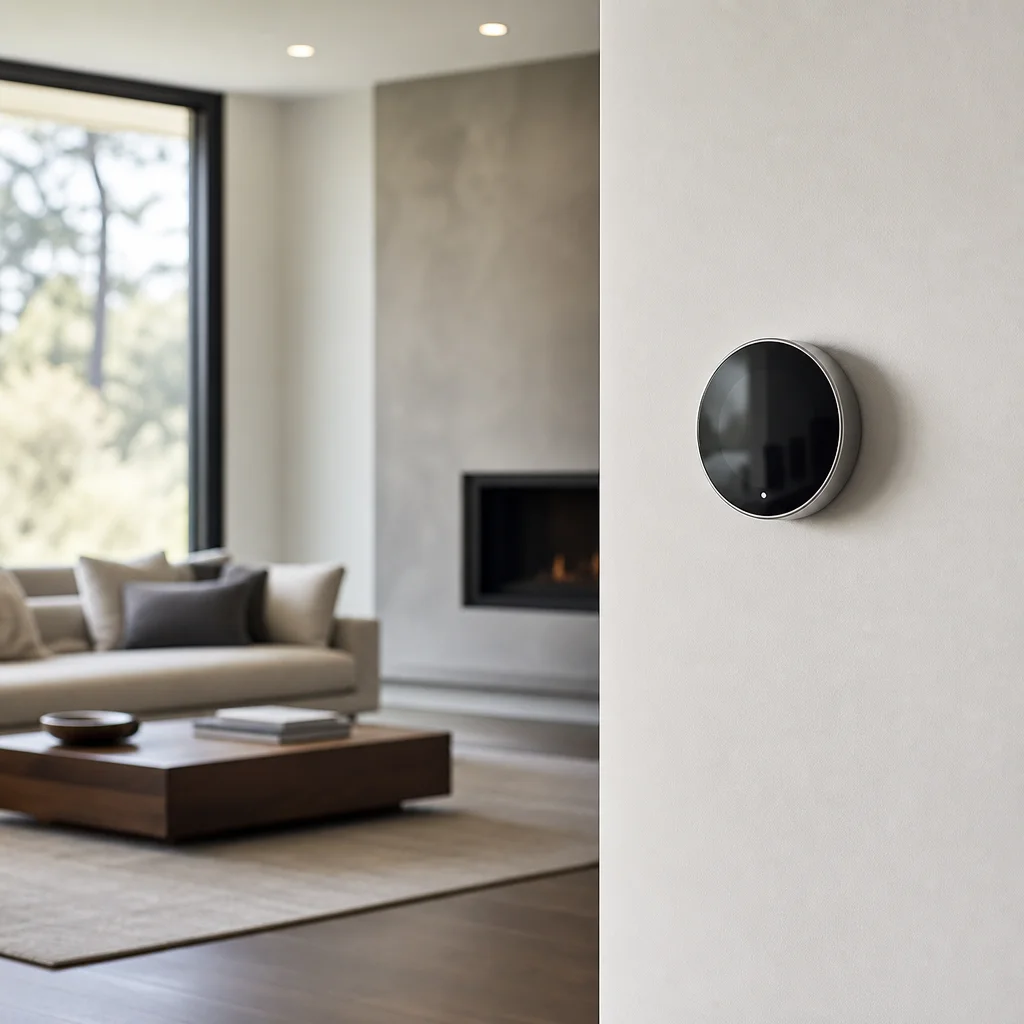
The Financial Benefits of Smart Climate Control
Heating and cooling account for nearly 50% of the average US home's monthly energy consumption. Upgrading to a smart thermostat is one of the easiest ways to secure lower utility bills. These energy-saving smart home devices adjust climate zones dynamically, ensuring you only heat or cool the house when occupied. By learning your daily routines and integrating with local weather forecasts, smart thermostats keep your home comfortable while eliminating energy waste, making them one of the highest-ROI home upgrades you can make.
Most homeowners recover the purchase cost of a smart thermostat within the first 12 to 18 months of use. In addition to direct utility savings, these devices protect your HVAC equipment from wear and tear by preventing rapid cycling, extending the lifespan of your expensive furnace and air conditioning systems. The financial impact goes beyond just your monthly bill. Many utility companies offer rebates and incentives for installing qualified smart thermostats, which can knock off anywhere from $50 to $100 off the purchase price. Some states also provide tax credits for energy-efficient home improvements, further sweetening the deal. Over the course of a few years, the cumulative savings can easily reach hundreds of dollars, making this upgrade a no-brainer for budget-conscious homeowners. Additionally, the data-driven insights these devices provide allow you to spot inefficiencies in your home's insulation or ductwork, leading to even more targeted improvements that save money in the long run. To maximize your savings, it's worth checking for promo codes and coupons online before buying a smart thermostat, as many retailers offer best online deals on these devices. You can also earn cashback rewards through shopping portals, and some stores have a clearance sale on older models that still work great. For specific retailers, look for amazon promo codes, walmart coupons, target deals, or best buy discount codes to lower the upfront cost even further.

How Smart Thermostats Optimize Comfort and Cost
Smart climate controllers utilize advanced algorithms to save energy, but their real power lies in how they adapt to your lifestyle. These devices don't just follow a set schedule; they actively learn from your behavior and environmental conditions to create a personalized comfort plan. This means you get the perfect temperature when you need it, without wasting energy when you don't. The technology behind this optimization is a combination of sensors, connectivity, and machine learning, all working in harmony to deliver both savings and comfort.
1. Mobile Geofencing
Tracks your smartphone location to lower heating or cooling automatically when you leave the house, and begins pre-heating or cooling the rooms as you drive back home. This feature is incredibly effective because it doesn't rely on a fixed schedule. If you come home early or leave for an unexpected errand, the thermostat adjusts in real time. The geofencing radius is typically adjustable, so you can set it to start warming up your home when you're, say, 10 minutes away, ensuring you walk into a comfortable environment without running the system all day. This alone can reduce your heating and cooling usage by up to 15%.
2. Wireless Room Sensors
Detects occupancy and temperatures in specific rooms (like a home office or bedroom) to eliminate hot or cold spots, directing air where people are active. This is a game-changer for multi-story homes or rooms with poor airflow. Instead of the thermostat reading the temperature in a hallway, you can place a sensor in the room you use most. The system then prioritizes that room's comfort, adjusting the HVAC to meet its needs. Some advanced systems even allow you to set schedules for each sensor, so your home office is cool during the day while the bedrooms are set to a more energy-saving temperature. This targeted approach prevents over-conditioning unoccupied spaces, leading to significant energy savings.
3. Utility Demand Response Programs
Connects with your local utility provider to shift energy use during peak demand hours, securing cash rebates and lower seasonal utility rates. By enrolling in these programs, you allow your utility company to make minor, temporary adjustments to your thermostat during periods of high grid stress, like a heatwave. In return, you typically receive a sign-up bonus, annual credits, or a lower electricity rate. The adjustments are usually subtle, such as raising the temperature by a couple of degrees for an hour or two, which most people don't even notice. This not only saves you money but also helps prevent blackouts and reduces the need for new power plants, making it an environmentally friendly choice. Some programs even offer a sign up discount or a military discount codes for eligible participants, and you can often find student discount online offers for energy-saving products.
4. Machine Learning Schedules
Automatically builds a temperature schedule based on your weekly habits and preferences without requiring manual programming. This is the "set it and forget it" aspect of smart thermostats. Over the first week of use, the device learns when you wake up, leave for work, come home, and go to bed. It then creates a custom schedule that mirrors your routine. If your schedule changes, the thermostat adapts. For example, if you take a day off, it will notice that you're home and adjust the schedule accordingly. This eliminates the need to manually program setbacks and setups, ensuring you're always comfortable without wasting energy. The learning process is continuous, so the system gets smarter and more efficient over time. For the best value, keep an eye out for black friday deals or cyber monday promo codes when upgrading your home, as these events often feature deep discounts on smart home technology.
Comparing the Top Brands: Nest vs. Ecobee
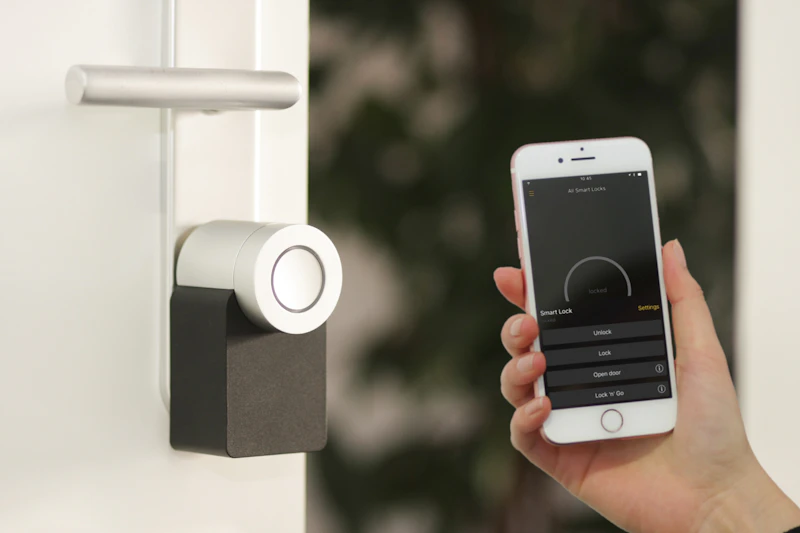
Google Nest is highly rated for its sleek, rotating design and automated learning algorithms that build schedules based on movement. Its self-learning capability is particularly impressive, as it can often predict your comfort needs after just a few days of use. Nest also has a feature called "Home/Away Assist," which uses your phone's location and built-in sensors to detect if anyone is home, further optimizing energy use. On the other hand, Ecobee excels in larger homes because it includes remote room sensors and integrates natively with Apple HomeKit, Amazon Alexa, and Google Assistant. This makes Ecobee the better choice for those with a diverse smart home ecosystem. Ecobee's strength lies in its multi-sensor approach, which allows for more granular temperature control across different zones. Both brands offer detailed monthly energy reports that show how much heating and cooling you saved and suggest simple adjustments to lower your bills even further. These reports often include comparisons to similar homes in your area, giving you a benchmark for your energy efficiency. Ultimately, the choice between Nest and Ecobee often comes down to your specific needs: Nest for a more automated, design-forward experience, and Ecobee for superior multi-room control and broad platform compatibility. When shopping for these brands, you can often find free shipping codes and buy 1 get 1 free deals on accessories like sensors, making it easier to build a complete system without breaking the bank.
How to Install a Smart Thermostat (DIY Guide)
For most homes, installing a smart thermostat is a simple 30-minute DIY project. Turn off the power to your HVAC unit at the breaker box, remove the old thermostat cover, and take a photo of the wiring. This photo is your most important tool, as it will serve as a reference for reconnecting the wires to your new thermostat. The most important wire is the C-wire (Common wire), which provides continuous 24V power to run the smart thermostat's color display and Wi-Fi connection. If your home lacks a C-wire, brands like Ecobee include a power extender kit that installs inside your HVAC furnace board to provide power, bypassing the need to pull new wires through your walls. This kit is relatively easy to install, even for beginners, and comes with clear instructions. Before you start, make sure your existing system is compatible. Most smart thermostat manufacturers have online compatibility checkers where you can input your current wiring configuration. If you have a heat pump, multi-stage system, or a high-voltage (line-voltage) system, you may need a specific model. Once you've confirmed compatibility, the installation process is straightforward: label the wires, disconnect them from the old thermostat, mount the new base plate, connect the wires to the corresponding terminals, and attach the thermostat face. After restoring power, follow the on-screen setup instructions to connect to your Wi-Fi and configure your preferences. If you encounter any issues, such as the thermostat not powering on or the system not responding, double-check your wiring connections and ensure the breaker is on. Most issues are easily resolved by referring to the wiring photo you took or the manufacturer's troubleshooting guide. For additional savings on your home improvement projects, consider using grocery coupons printable for everyday essentials, and check travel discounts and deals if you plan to take a vacation after your upgrade. Also, keep an eye out for back to school sales on smart home gadgets, as these events often include discounts on thermostats and other devices.