
Printable Monthly Home Upkeep Checklist for New Homeowners
By Kalkee Editorial Staff
Updated July 4, 2026 • Verified by Industry Experts
Why Regular Home Upkeep Matters
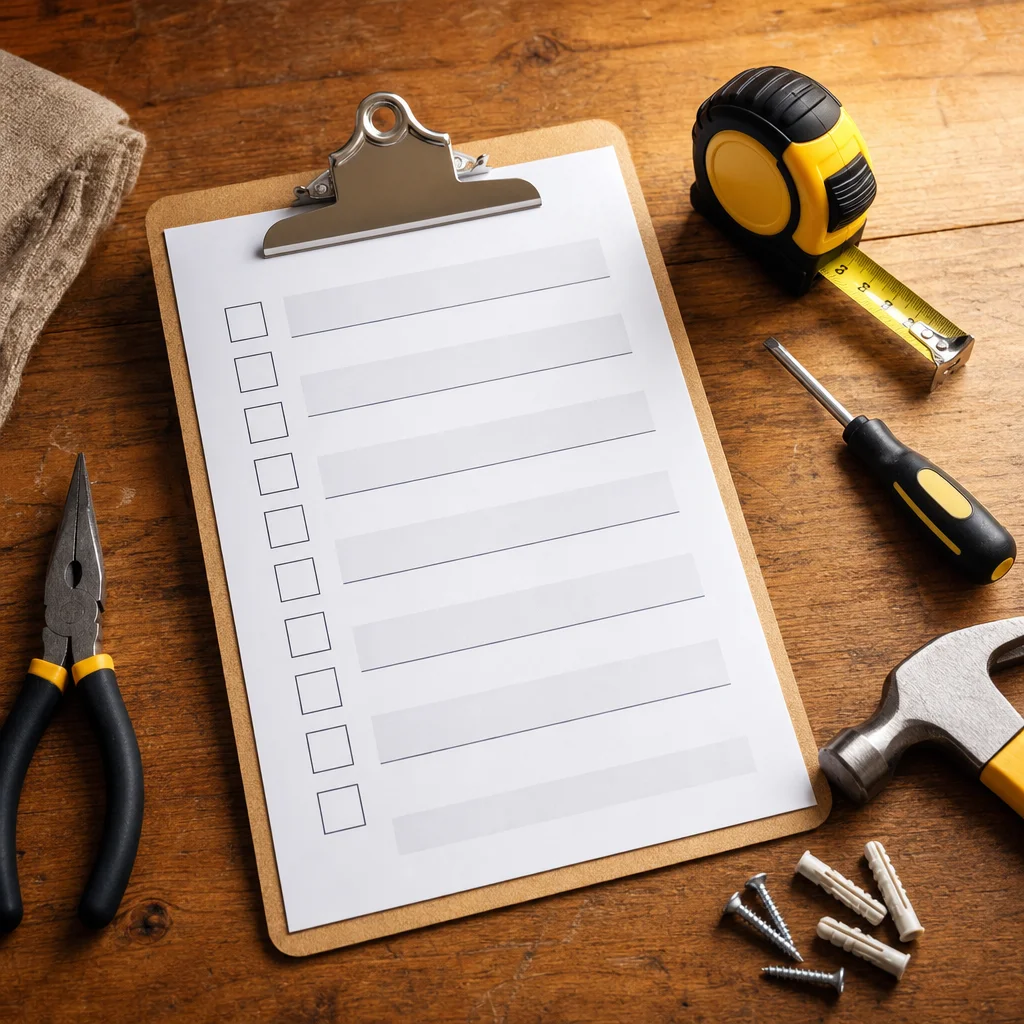
Buying a home is one of the largest financial investments you will make. To protect your property value, keep systems running efficiently, and prevent major repairs, you must perform regular monthly upkeep. A home is a complex structure of moving parts, filters, and seals that wear out over time. This monthly upkeep checklist provides new homeowners with simple, actionable maintenance steps to protect their investment. For those who prefer a physical reference, a printable home maintenance checklist can be a great tool to keep on hand.
Developing a routine is the key to home maintenance. By scheduling minor cleaning and safety tasks monthly, you avoid system breakdowns and maintain a clean, comfortable living environment for your family. Think of it like a car: regular oil changes and tire rotations keep the engine running smoothly and prevent costly breakdowns down the road. The same logic applies to your home. Neglecting small issues, such as a dripping faucet or a dirty filter, can lead to water damage, higher energy bills, or even a complete system failure. A proactive approach saves you time, money, and stress in the long run. Many new homeowners find it helpful to download a home maintenance checklist pdf to guide them through these initial steps.
Moreover, consistent upkeep enhances your home's curb appeal and overall livability. A well-maintained property is more enjoyable to live in and commands a higher resale value. When you stay on top of tasks like cleaning gutters, inspecting seals, and testing alarms, you are not just fixing problems; you are preventing them. This mindset shift from reactive to proactive maintenance is the cornerstone of responsible homeownership. It also gives you peace of mind, knowing that your family is safe and your investment is secure. A free printable home maintenance checklist can serve as a constant reminder of these important duties.
Essential Monthly Upkeep Checklist
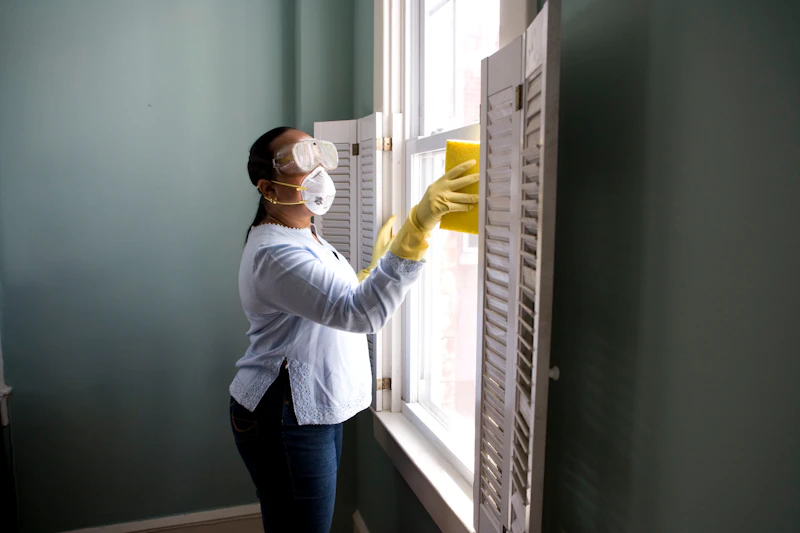
Perform these maintenance tasks at the start of every month to keep your home in top shape. Consistency is far more effective than sporadic deep cleans. By dedicating a few hours each month, you can catch minor issues before they escalate into expensive emergencies. Below are the core tasks that every homeowner should integrate into their routine. Using a home maintenance schedule printable can help you stay organized and on track.
1. Inspect and Replace HVAC Filters
Check your heating and cooling system air filters. Replace them if they are coated in dust. Clean filters improve indoor air quality, lower utility bills, and extend the lifespan of your furnace and AC unit. A dirty filter forces your HVAC system to work harder, consuming more energy and reducing efficiency. For households with pets or allergy sufferers, consider checking filters every two weeks. Most filters are inexpensive and easy to swap out; simply note the size and type (fiberglass, pleated, or HEPA) and purchase replacements in bulk to save money. Mark your calendar to inspect them on the first of each month, and you will notice a difference in both comfort and energy costs.
2. Test Safety Alarms
Press the test button on all smoke detectors and carbon monoxide alarms in the house. Ensure the sirens sound, and vacuum off any dust or cobwebs that can trigger false alarms or block sensors. This simple five-minute task can save lives. Replace batteries at least once a year, or upgrade to units with sealed 10-year lithium batteries for peace of mind. If you have multiple floors, test alarms on each level, including the basement and attic. Also, check the expiration date on each unit; most alarms need replacement every 10 years. A working alarm is your first line of defense against fire and carbon monoxide poisoning, so do not skip this step.
3. Clean Range Hood Filters
Remove the metal grease filters from your kitchen range hood and soak them in warm, soapy water with a degreaser. Clean filters prevent grease fires and ensure proper ventilation while cooking. Over time, grease buildup can clog the filter, reducing airflow and making your hood less effective at removing smoke, odors, and moisture. For heavy buildup, use a baking soda paste or a commercial degreaser. Rinse thoroughly and let them dry completely before reinstalling. If your hood has a charcoal filter (common in recirculating models), check if it needs replacement every three to six months. A clean range hood not only improves kitchen air quality but also reduces the risk of fire.
4. Inspect Water Plumbing and Sinks
Look under kitchen and bathroom vanities for signs of water leaks, moisture, or mold. Check faucet aerators for mineral buildup and clean them to maintain strong water pressure. Even a small drip can waste gallons of water and lead to mold growth or cabinet damage. Use a flashlight to inspect pipes, seals, and connections. If you notice any discoloration, dampness, or musty odors, address the issue immediately. Cleaning aerators is simple: unscrew them, soak in vinegar overnight, and scrub with a toothbrush. This restores water flow and prevents clogs. Also, check toilet bases for leaks and listen for running water, which may indicate a faulty flapper valve.
5. Check and Clean Garbage Disposal
Run your garbage disposal weekly with cold water and a few ice cubes to sharpen the blades and dislodge debris. For odor control, grind citrus peels or pour a mixture of baking soda and vinegar down the drain. Avoid putting fibrous foods like celery or potato peels into the disposal, as they can clog the blades. Monthly, check the rubber splash guard for buildup and clean it with a brush. A well-maintained disposal prevents foul smells and reduces the risk of jams or motor burnout.
6. Inspect Exterior Doors and Windows
Check weatherstripping around doors and windows for gaps, cracks, or wear. Replace any damaged seals to prevent drafts, moisture intrusion, and energy loss. Run your hand along the edges on a windy day to feel for air leaks. Also, clean window tracks and lubricate sliding mechanisms with silicone spray. This simple task improves energy efficiency, reduces heating and cooling costs, and keeps your home comfortable year-round. For sliding glass doors, check the rollers and tracks for debris that can cause sticking.
7. Test GFCI Outlets
Ground Fault Circuit Interrupter (GFCI) outlets are typically found in bathrooms, kitchens, garages, and outdoor areas. Press the "Test" button; the outlet should click and cut power. Then press "Reset" to restore it. If the outlet does not trip or reset properly, replace it immediately. GFCI outlets protect against electrical shock in wet areas, so this monthly test is a critical safety measure. Also, check for any loose or warm outlets, which may indicate wiring issues that require an electrician.

Developing a Maintenance Logbook
Keep a physical or digital logbook of all home upkeep tasks, repairs, and contractor services. Document the dates you replaced filters, serviced your HVAC, cleaned the gutters, or repaired the roof. Having a complete logbook is highly attractive to potential buyers when you sell your home, proving that the property was meticulously cared for and preventing surprises during the home inspection. A logbook also helps you track recurring tasks and identify patterns, such as which filters need replacement more often or which areas are prone to leaks. Use a simple spreadsheet, a notebook, or a home maintenance app to record details like cost, warranty information, and contractor contact info. This organized approach not only simplifies your life but also adds tangible value to your property. When you eventually sell, a well-documented history of maintenance can be a powerful selling point, reassuring buyers that they are investing in a home that has been responsibly managed. For seasonal tasks, a spring home maintenance checklist printable or a fall home maintenance checklist printable can be especially useful to ensure nothing is missed.
In addition to the monthly checklist, consider seasonal tasks like cleaning gutters in the fall, servicing your HVAC system in spring and fall, and inspecting the roof after heavy storms. Integrating these into your logbook ensures nothing is overlooked. Over time, you will develop a rhythm that makes home maintenance feel less like a chore and more like a smart investment. Remember, the goal is not perfection but consistency. Even if you miss a month, simply pick up where you left off. Your home will thank you with lower bills, fewer repairs, and a longer lifespan for its systems. A comprehensive seasonal home maintenance checklist pdf can help you plan for these changes throughout the year, while a winter home maintenance checklist printable and summer home maintenance checklist pdf will keep you prepared for extreme weather. Additionally, a monthly home maintenance checklist printable and an annual home maintenance checklist pdf provide a complete overview of your responsibilities. For those just starting out, a new homeowner checklist printable or a first time homebuyer maintenance checklist pdf is invaluable, and an ultimate home maintenance checklist printable covers every detail. Using a home upkeep checklist template can streamline your efforts, and a preventative home maintenance checklist printable helps you avoid costly repairs. For landlords, a landlord property maintenance checklist pdf ensures all units are properly maintained.