
Best Wireless Security Cameras with Solar Panels and Local Storage
By Kalkee Editorial Staff
Updated July 4, 2026 • Verified by Industry Experts
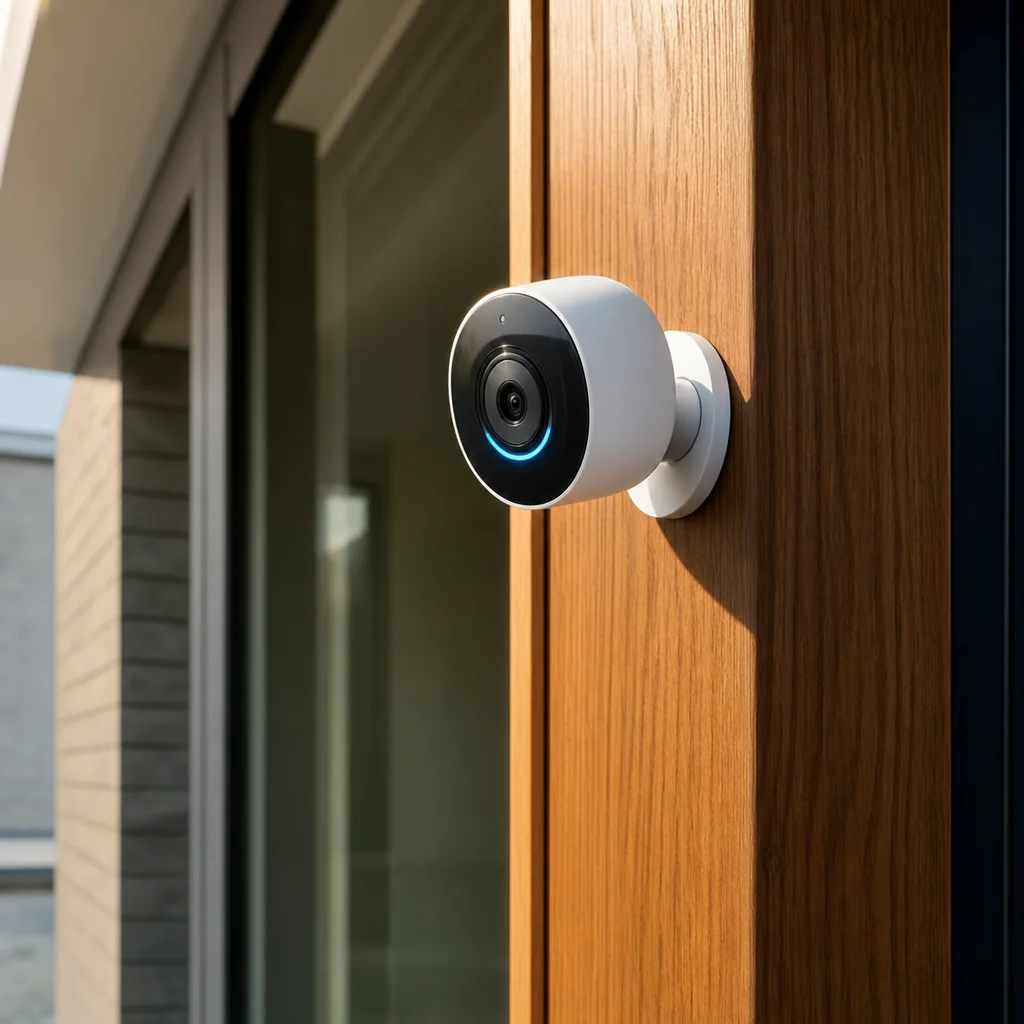
The Rise of Solar-Powered Security Cameras
Installing outdoor security cameras is a great way to monitor your property, but running power cables through brick walls or hiring electricians to wire them is expensive and invasive. Battery-operated cameras solve this issue, but climbing ladders every few months to recharge batteries is a chore. The best solution is a wireless security camera paired with a solar panel. These eco-friendly smart home devices run continuously on clean energy, providing 24/7 security monitoring without maintenance hassle. For those seeking security cameras without subscription, solar-powered models are an excellent choice because they eliminate both power costs and monthly fees.
Solar-powered cameras are also highly versatile. Because they do not require an electrical outlet, you can install them anywhere on your property—on fences, trees, detached garages, or driveways. As long as the solar panel receives a few hours of daylight, your camera will remain powered year-round, keeping your home secure. This flexibility means you can cover blind spots that were previously impossible to monitor, such as the far corner of a large backyard or a side gate that lacks nearby power sources. Over time, the savings on electricity bills and battery replacements add up, making solar cameras a cost-effective investment for long-term home security. Additionally, many modern solar panels are designed to be discreet and blend into your home's exterior, so they won't detract from your curb appeal while still providing reliable power.
Another advantage is the environmental benefit. By harnessing renewable solar energy, you reduce your carbon footprint and contribute to a more sustainable lifestyle. This aligns with the growing trend of eco-conscious home improvement, where homeowners seek products that are both functional and environmentally responsible. Whether you live in a sunny region or a partly cloudy climate, advancements in solar technology ensure that these cameras can operate efficiently in a wide range of conditions, making them a practical choice for almost any property. If you are looking for a solar security camera no monthly fee, this technology offers a truly independent and self-sustaining solution.

Benefits of Local Storage vs. Cloud Subscriptions
Many modern cameras force you into expensive monthly cloud subscription plans to view your video history. Security cameras with local storage save your recordings directly to an encrypted micro SD card inside the camera or a central HomeBase station located safely inside your house. This has three key benefits: it eliminates monthly fees, keeps your private videos secure from cloud database hacks, and ensures the camera continues to record even if your home Wi-Fi network goes offline. This is the essence of a no monthly fee security camera system that puts you in control.
Additionally, local storage reduces your home's internet bandwidth usage. Cloud-based cameras must upload video clips to the internet continuously, which can slow down your Wi-Fi network. Local storage cameras only use your internet connection when you open the app to view live video, keeping your home network fast and responsive. This is especially important in households with multiple devices streaming, gaming, or working from home, where every bit of bandwidth counts. Furthermore, local storage gives you complete control over your footage. You can easily access, review, and delete recordings without relying on a third-party service that might change its terms or pricing over time. For those concerned about privacy, storing video locally means your personal moments remain on your property, not on a remote server where data breaches or unauthorized access could occur. This makes them some of the best security cameras without monthly fee for privacy-conscious users.
Another often overlooked benefit is the reliability during internet outages. If your Wi-Fi goes down due to a storm or provider issue, cloud-based cameras stop recording entirely, leaving a gap in your security coverage. Local storage cameras, however, continue to capture and save footage locally, so you won't miss critical events. When the internet comes back, the camera can sync the recordings to your app, ensuring you have a complete timeline. This resilience makes local storage a smarter choice for homeowners who want peace of mind without recurring costs. For a complete setup, a poe camera system no monthly fee also offers similar local storage advantages with wired reliability.
Evaluating Solar Panel Efficiency and Battery Life
To ensure your camera runs continuously, select a system with a highly efficient solar panel and a large rechargeable battery (typically 5,000mAh to 10,000mAh). Modern solar panels only require 2 to 3 hours of direct sunlight daily to keep the camera fully charged. If you live in an area with long, cloudy winters, choose a camera with adjustable motion sensitivity and custom activity zones. This prevents the camera from triggering unnecessary recordings from passing cars or blowing leaves, conserving battery power. This is a key feature for any wireless security camera no subscription model that relies on solar energy.
Beyond sunlight hours, consider the panel's wattage and conversion efficiency. Higher-efficiency panels, often made from monocrystalline silicon, can generate more power even in low-light conditions, such as early morning or late afternoon. Pair this with a battery that has a low self-discharge rate, so it holds its charge during extended periods of cloud cover. Some advanced models also feature smart power management, which automatically adjusts recording quality or frequency based on the battery level, ensuring the camera stays operational during critical times. For example, if the battery drops below 20%, the camera might switch to lower resolution or reduce motion detection sensitivity to conserve energy until the sun recharges it. When searching for the best outdoor security camera no subscription, these power management features are essential for year-round performance.
Installation angle and placement also play a crucial role in solar panel efficiency. Mount the panel facing south (in the Northern Hemisphere) at an angle that maximizes exposure to the sun's path throughout the day. Avoid placing it under eaves, trees, or other obstructions that cast shadows. Many solar cameras come with adjustable mounting brackets, allowing you to fine-tune the panel's orientation seasonally. By optimizing these factors, you can ensure your camera runs reliably year-round, even in less-than-ideal weather conditions. A wireless security camera without monthly fee that is solar-powered offers the ultimate in low-maintenance, cost-free operation.
Weatherproofing and Resolution Standards
Outdoor cameras must withstand rain, snow, and extreme heat. Look for cameras with an IP65 or IP66 weatherproofing rating, which guarantees they are dust-tight and resistant to water jets. For clear identification of faces and license plates, choose a camera with at least 2K (3MP) or 4K (8MP) resolution. Infrared or color night vision is also crucial for capturing clear, detailed footage during the dark hours when security risks are highest. These are standard features for any outdoor security camera no subscription that aims to provide reliable protection.
Weatherproofing goes beyond just the rating. Check that all ports and connections are sealed with rubber gaskets or covers to prevent moisture ingress. Some cameras also include built-in heaters or fans to prevent fogging or freezing in extreme climates. For areas with heavy snowfall, consider a camera with a heated lens that melts ice and snow, ensuring clear visibility even during winter storms. Additionally, the housing material matters—durable polycarbonate or metal enclosures resist UV degradation and impact damage, so your camera stays functional for years without cracking or fading. A no fee security camera system should be built to last through all seasons.
Resolution is equally important for practical use. While 1080p is common, 2K or 4K provides significantly more detail, allowing you to zoom in on footage without losing clarity. This is invaluable for identifying intruders, reading license plates, or seeing small details like package labels. Pair high resolution with a wide field of view (typically 130 to 160 degrees) to cover more area with fewer cameras. Night vision technology has also advanced; color night vision uses built-in LEDs or ambient light to capture full-color footage in low light, while traditional infrared provides black-and-white images. For the best results, choose a camera that offers both options, so you can switch based on lighting conditions. Models like the eufy security camera no monthly fee often excel in both resolution and weatherproofing.
Integrating Solar Cameras into Smart Security Systems
Complete your security setup by integrating your solar cameras with your smart home hub. Configure your system to send instant motion alerts to your smartphone, flash your smart outdoor floodlights when motion is detected at night, or stream the camera feed directly to your kitchen smart display when someone rings the doorbell. Combining solar power, local storage, and smart integrations gives you a bulletproof, low-maintenance security system for your home. This is the hallmark of home security systems no monthly fee that still offer advanced functionality.
Integration extends to voice assistants like Amazon Alexa or Google Assistant, allowing you to view camera feeds on compatible screens with simple voice commands. For example, you can say, "Show me the front door camera," and the feed appears instantly on your Echo Show or Nest Hub. You can also create automation routines, such as turning on indoor lights when motion is detected outside, or sending a notification to your phone if the camera detects a person while you're away. These integrations turn your security system into a proactive home management tool, not just a passive recording device. A smart home camera no monthly fee can seamlessly fit into your existing smart ecosystem.
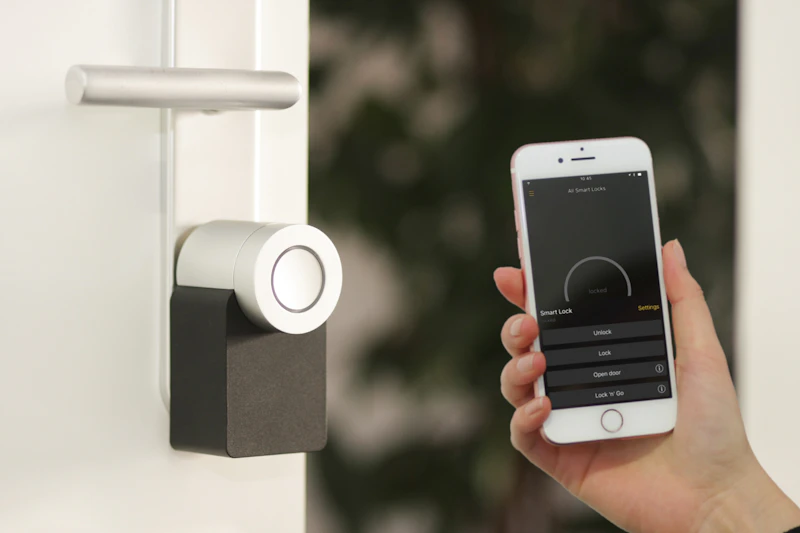
Moreover, many solar cameras support IFTTT (If This Then That) applets, enabling custom triggers with other smart devices. For instance, you can set your camera to start recording when a smart lock is unlocked, or to send an alert if the camera detects motion while your smart thermostat is in away mode. This level of customization ensures your system adapts to your lifestyle, providing both security and convenience. Over time, you can refine these automations based on your daily routines, making your home smarter and safer without constant manual intervention. With the right setup, your solar-powered security cameras become an integral part of a cohesive, responsive smart home ecosystem. For those seeking the best home security cameras without a subscription, this integration capability is a major advantage.