
Best Gutter Guards of 2026: Reviews, Costs, and Buying Guide
By KALKEE Editorial Staff
Updated June 21, 2026 • Verified by Industry Experts
Why Gutter Protection Systems Are Essential for Your Home
Maintaining clear gutters is critical to protecting your home's foundation, siding, and roof from water damage. However, cleaning gutters by hand is dangerous and tedious. Investing in high-quality gutter protection systems is the best way to prevent clogs and ensure smooth water drainage. When looking for best gutter guards, homeowners have several options, ranging from professional leaf guard installation near me to DIY solutions.
In this guide, we review the top brands, analyze gutter guards cost, and answer the question: are gutter guards worth it? We compare the durability and performance of micro mesh gutter guards, aluminum gutter guards, and stainless steel gutter guards under heavy rain conditions. Beyond just preventing clogs, these systems play a vital role in extending the lifespan of your roof and preventing costly basement flooding. When water overflows from clogged gutters, it can seep into your home's foundation, causing cracks, mold growth, and structural instability over time. By channeling water away effectively, gutter protection systems also reduce the risk of ice dams forming in colder climates, which can lift shingles and damage roof decking. For homeowners with trees near their property, the constant fall of leaves, twigs, and seeds makes gutter maintenance a recurring headache. A robust protection system eliminates this chore almost entirely, giving you peace of mind during stormy seasons. Additionally, many modern systems are designed to blend seamlessly with your home's exterior, enhancing curb appeal rather than detracting from it. Whether you opt for a professional installation or a DIY approach, understanding the nuances of each type ensures you make an informed decision that safeguards your investment for years to come.

Types of Gutter Guards Compared
Understanding the difference between materials and designs helps you choose the right system for your property. Each type has unique strengths and weaknesses that cater to different environments and budgets. For instance, homes surrounded by pine trees benefit immensely from micro-mesh designs, while properties with heavy rainfall may require reverse curve systems for optimal flow. Here is a detailed breakdown of the most common options:
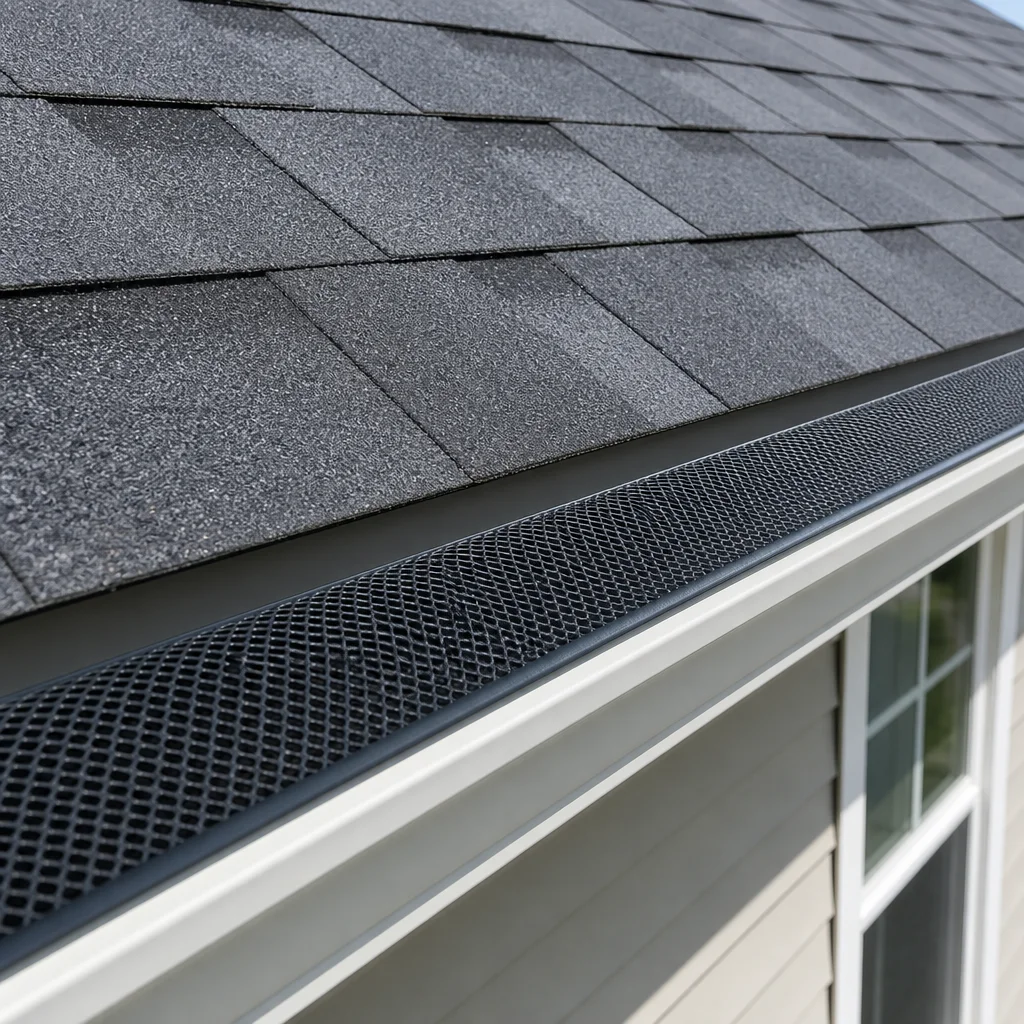
- Micro Mesh Gutter Guards: Made from fine stainless steel gutter guards mesh, these block even tiny debris like pine needles and shingle grit while letting water pass through. Brands like LeafFilter are top-rated in this category. The tightly woven mesh prevents even the smallest particles from entering, which is crucial for maintaining flow during heavy downpours. However, they can be more expensive upfront and may require professional installation to ensure a perfect fit. Over time, the mesh can accumulate a layer of fine dust or pollen, but this is easily rinsed off with a garden hose. Many micro-mesh systems come with lifetime warranties, making them a solid long-term investment for homes in wooded areas.
- Reverse Curve / Surface Tension Guards: Brands like LeafGuard utilize a solid metal hood that guides water into the gutter while shedding leaves over the edge. This design relies on the principle of surface tension, where water adheres to the curved hood and flows into a narrow slit, while debris slides off. These systems are highly effective in heavy rain because they have no mesh to clog, but they can be less efficient in light drizzles where surface tension is weaker. Installation is typically done by professionals, and the cost is higher due to the custom fabrication required to match your roofline. They are an excellent choice for homes with steep roofs or those experiencing frequent torrential storms.
- Screen and Mesh Gutter Covers: Typically made of aluminum gutter guards, these screens snap onto the gutter. They are inexpensive DIY options but require occasional cleaning. The larger openings in standard screens allow some small debris, like seeds or pine needles, to pass through, so they are best suited for areas with larger leaves like oak or maple. Aluminum screens are lightweight and easy to install with basic tools, making them a popular choice for budget-conscious homeowners. However, they can warp or dent under heavy snow loads, and their performance degrades over time as the screen holes become clogged with grit. Regular maintenance, such as brushing off accumulated debris, is necessary to keep them functioning properly.
- Leaf Filters for Gutters (Foam & Brush): Foam inserts block debris but can accumulate mold and restrict heavy water flow. These are the most affordable option, often costing just a few dollars per foot, but they come with significant drawbacks. Foam filters absorb water and can become heavy, potentially pulling gutters away from the roofline. They also trap organic matter, which decomposes and creates a breeding ground for mosquitoes and other pests. Brush filters, which resemble large pipe cleaners, sit inside the gutter and catch leaves while allowing water to flow around them. While they are easy to install and remove for cleaning, they do not prevent all debris from entering and can be difficult to clean thoroughly. These options are best suited for temporary solutions or homes with minimal debris.

Gutter Guards Cost and Leaf Guard Price Per Foot
The cost of gutter protection depends on whether you hire a professional gutter guard installer or do it yourself. Beyond the initial outlay, consider the long-term savings from reduced maintenance and prevented water damage. Professional installations often include warranties that cover both materials and labor, adding value that DIY options lack. Here is a breakdown of average costs to help you budget effectively:
| Gutter Guard Type | Average Leaf Guard Price Per Foot | Average Total Cost (150 Lf) | Installation Method |
|---|---|---|---|
| Micro-Mesh (Stainless Steel) | $15 $30 | $2,250 $4,500 | Professional Installer |
| Reverse Curve (LeafGuard) | $25 $40 | $3,750 $6,000 | Professional Installer |
| Aluminum Screens (DIY) | $2 $5 | $300 $750 | DIY Installation |
These figures are estimates and can vary based on your location, roof complexity, and the specific brand you choose. For example, homes with multiple stories or intricate rooflines may incur higher labor costs for professional installations. DIY options like aluminum screens are cheaper upfront but may require replacement every few years, while professional systems often last decades with minimal upkeep. When calculating total cost, factor in the value of your time and the safety risks of climbing a ladder. Many homeowners find that the convenience and durability of professional-grade systems justify the higher initial investment, especially if they plan to stay in their home long-term. Additionally, some regions offer rebates or incentives for installing gutter protection that reduces stormwater runoff, so check with local utility companies or environmental programs.
Vetting the Best Gutter Guard Company
If you choose professional installation, finding a reputable local provider is key. Look for a best gutter guard company that offers lifetime clog-free warranties and has licensed gutter guard installers. Always request multiple bids for rain gutter guard installation and verify customer reviews on trusted platforms before signing a contract. Beyond online reviews, ask for references from recent clients and check the company's standing with the Better Business Bureau. A reliable installer should provide a detailed written estimate that includes the type of material, installation method, and warranty terms. Be wary of companies that pressure you into signing on the spot or offer prices that seem too good to be true, as they may cut corners on materials or workmanship. During the consultation, ask about the specific challenges of your roof, such as valleys, dormers, or gutter angles, and how they plan to address them. A good installer will inspect your existing gutters for damage, such as sagging or leaks, and recommend repairs before installing guards. They should also explain the maintenance requirements of the system you choose, even if it is marketed as maintenance-free. Finally, ensure the company is insured and bonded to protect yourself from liability in case of accidents during installation. Taking these steps ensures you partner with a trustworthy professional who delivers lasting results, saving you from headaches down the road.