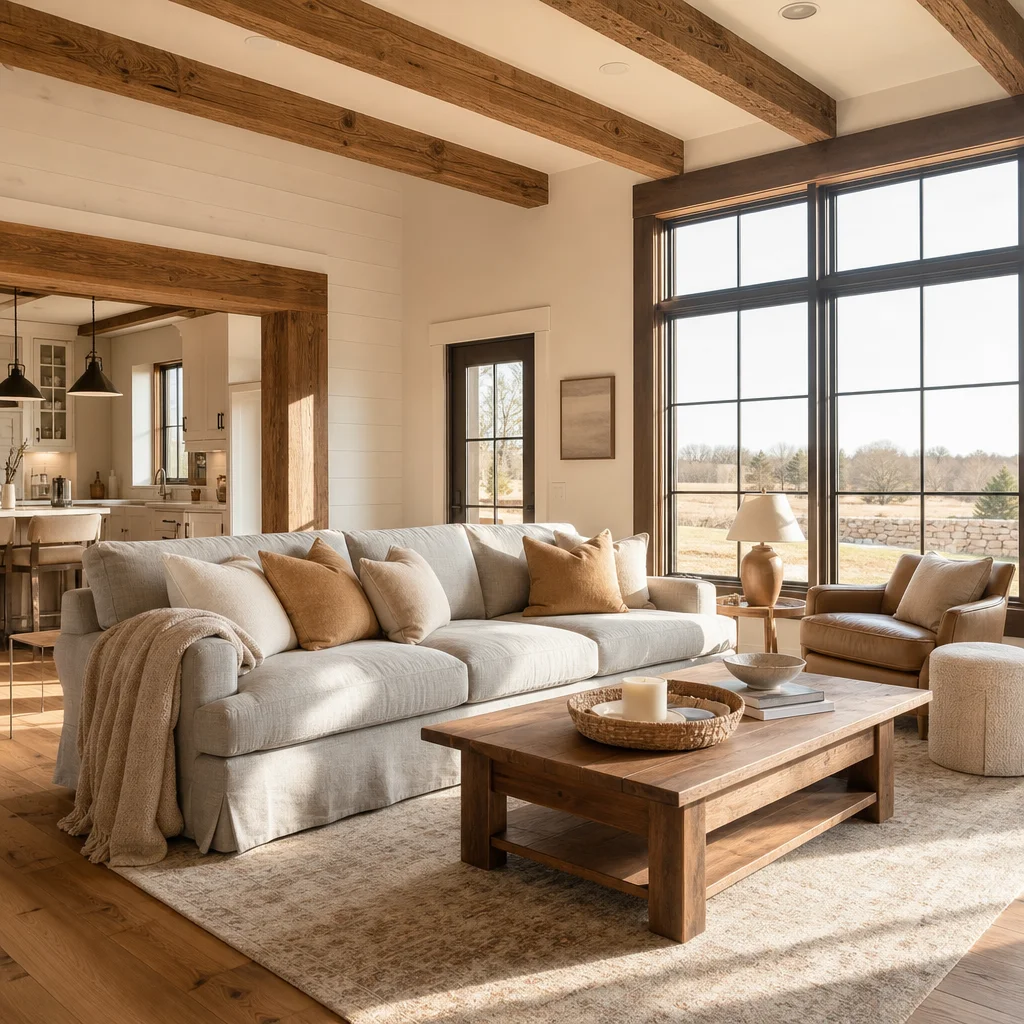
Eco-Friendly Home Decor: Styling with Sustainable Materials
By Kalkee Editorial Staff
Updated July 4, 2026 • Verified by Industry Experts
The Importance of Sustainable Interior Design
Many mass-produced home decor products release harmful chemicals (VOCs) into the air and contribute to landfill waste. Shifting toward eco-friendly home decor styling is a great way to protect the planet while creating a healthier indoor environment for your family. Sustainable interior design blends organic aesthetics with ethical sourcing, proving that you can have a gorgeous home that is also safe and environmentally responsible.
Sustainable design also means buying things built to last. Instead of buying cheap, disposable furniture that ends up in a landfill in a few years, focus on solid wood, natural fabrics, and classic designs that can be updated or repaired over time, saving you money in the long run. The philosophy extends beyond just materials; it is about embracing a mindset of quality over quantity. When you invest in a well-crafted sofa or a sturdy dining table, you are not just purchasing an object; you are making a commitment to a piece that can be reupholstered, refinished, or passed down through generations. This approach reduces the demand for fast furniture, which is often designed to be replaced every few seasons, and instead encourages a slower, more intentional way of living. Furthermore, sustainable interior design often incorporates biophilic elements, such as indoor plants and natural light, which have been shown to reduce stress, boost mood, and improve cognitive function. By bringing the outdoors in, you create a sanctuary that nurtures both your well-being and the environment. The ripple effects of these choices are profound: less waste in landfills, lower carbon emissions from manufacturing, and a home that feels timeless rather than trendy. Ultimately, sustainable design is not a sacrifice but an upgrade to a more thoughtful, beautiful, and enduring living space.

Top Sustainable Decor Materials
When shopping for furniture and accessories, search for these green materials. Each option offers a unique combination of durability, aesthetics, and environmental benefits, making it easier than ever to curate a home that aligns with your values.
1. Bamboo and Rattan
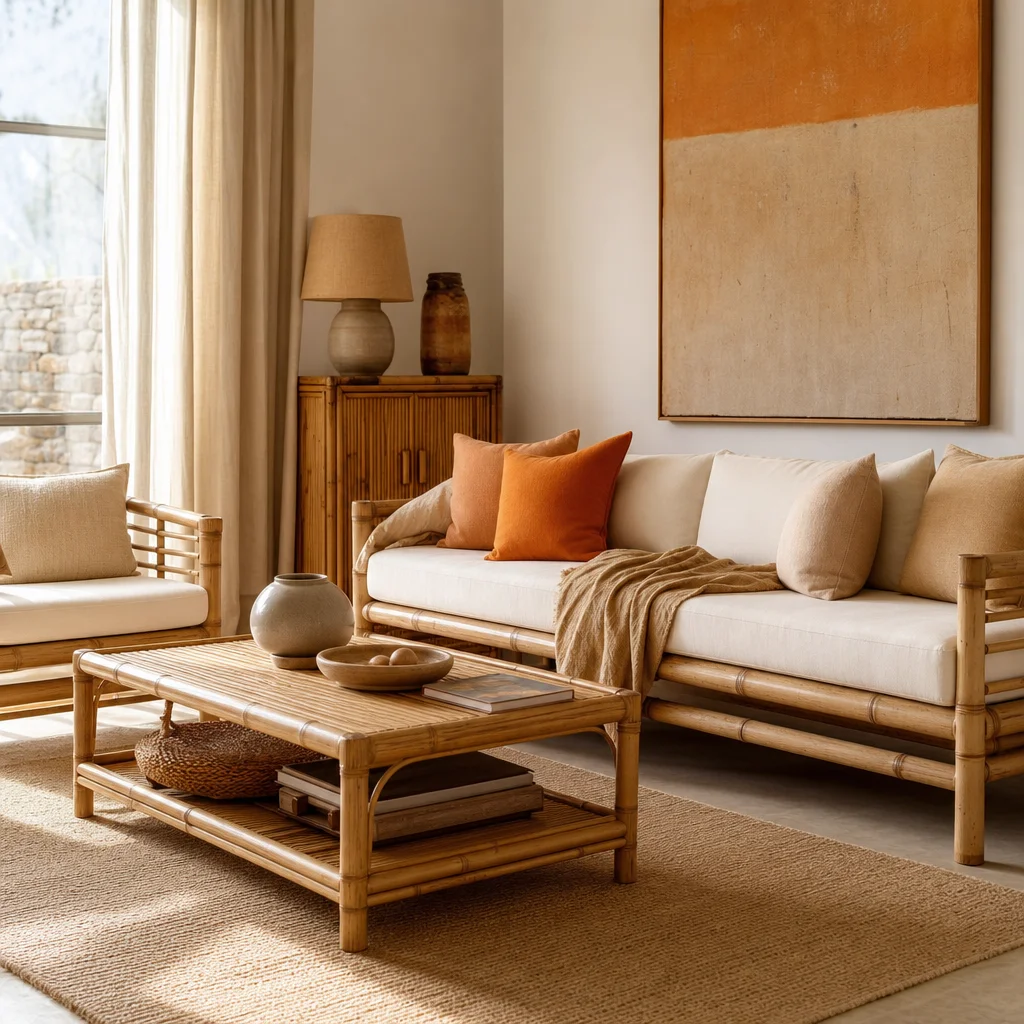
Fast-growing, renewable grasses that require no pesticides to grow. Bamboo and rattan are incredibly durable and add beautiful texture to chairs, lighting fixtures, and storage baskets. Bamboo, in particular, is one of the fastest-growing plants on the planet, with some species growing up to three feet in a single day. This rapid regeneration means it can be harvested frequently without depleting the resource. Rattan, a climbing palm, is similarly sustainable and is often harvested from existing forests without causing deforestation. Both materials are lightweight yet strong, making them ideal for everything from accent chairs to woven pendant lights. Their natural warmth and organic feel bring a sense of calm and connection to nature into any room. When cared for properly, bamboo and rattan pieces can last for decades, and at the end of their life, they are fully biodegradable. Look for pieces that are handwoven or crafted using traditional techniques, as these often have a lower carbon footprint than mass-produced alternatives.
2. Organic Linen and Cotton
Free from toxic chemical pesticides and synthetic dyes. Organic linen is perfect for sheets, curtains, and throw blankets because it is highly breathable, hypoallergenic, and lasts for years. Linen is made from the flax plant, which requires significantly less water than conventional cotton and can be grown in poor soil conditions without irrigation. The entire flax plant is used in production, resulting in zero waste. Organic cotton, on the other hand, is grown without the use of synthetic fertilizers or pesticides, which protects both farmworkers and the surrounding ecosystems. When you choose organic textiles, you are also avoiding the harsh chemicals often used in conventional processing, such as formaldehyde and heavy metals. These fabrics become softer with each wash, developing a lived-in comfort that synthetic materials cannot replicate. For bedding, organic linen wicks moisture away from the body, keeping you cool in summer and warm in winter. For upholstery, organic cotton canvas is incredibly durable and can be dyed with natural, plant-based pigments for a truly non-toxic finish. Investing in organic textiles is a direct way to reduce your exposure to harmful substances while supporting regenerative agriculture practices.
3. Reclaimed Wood
Sourced from old barns, shipping crates, or demolished buildings. Reclaimed timber adds rich historical character to dining tables and shelves while preventing deforestation. Each piece of reclaimed wood tells a story, with unique grain patterns, nail holes, and weathered patina that cannot be replicated by new lumber. By using reclaimed wood, you are diverting material from landfills and reducing the demand for virgin timber, which helps preserve ancient forests and their biodiversity. The process of reclaiming wood also requires less energy than milling new lumber, as the wood is already dried and aged. Reclaimed wood is often stronger than new wood because it came from old-growth forests, which had denser, more durable trees. It can be used for flooring, accent walls, furniture, and even decorative beams. When sourcing reclaimed wood, look for suppliers who practice responsible deconstruction and treat the wood for pests without using toxic chemicals. The result is a home that feels grounded in history and craftsmanship, with a story that adds depth to every room.
4. Sustainable Cork
Harvested from the bark of cork oak trees without cutting down the tree itself. Cork is naturally antimicrobial, water-resistant, and excellent for flooring, wall tiles, and kitchen accessories. The harvesting process is one of the most sustainable in the world: the bark is carefully stripped by hand every nine years, and the tree continues to absorb carbon dioxide and produce oxygen throughout its lifetime, which can span over 200 years. Cork is also incredibly versatile. Its cellular structure is made up of tiny air pockets, making it lightweight, insulating, and sound-absorbing. This makes it an ideal material for flooring, as it feels warm underfoot and reduces noise transmission between rooms. In the kitchen, cork trivets, coasters, and cutting boards are naturally resistant to mold and mildew. Cork wall tiles can add texture and warmth to a space while improving acoustics. Because cork is hypoallergenic and does not trap dust mites, it is an excellent choice for households with allergies. At the end of its life, cork is fully biodegradable and can be composted, completing a truly circular lifecycle.
Reducing Chemical Off-gassing at Home
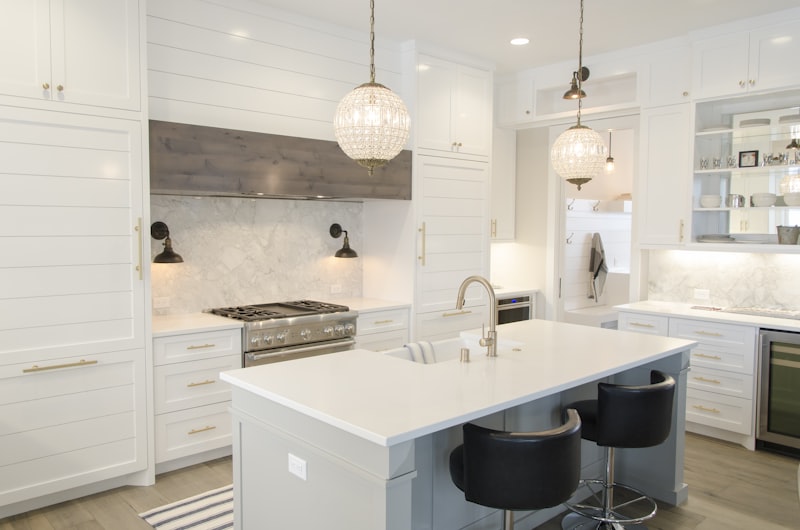
Choose paint brands labeled 'Zero VOC' (volatile organic compounds) and buy furniture made of solid wood instead of particleboard. Particleboard utilizes formaldehyde glues that release toxic gas into your living spaces over time. When buying mattresses and upholstered furniture, look for certifications like CertiPUR-US or GOTS to guarantee they are free from harmful flame retardants and heavy metals. Off-gassing is not limited to new furniture; it can also come from carpets, adhesives, varnishes, and even some cleaning products. To create a truly healthy indoor environment, start by ventilating your home regularly, especially after bringing in new items. Open windows for at least 15 minutes a day to allow fresh air to circulate and dilute any airborne pollutants. Consider investing in an air purifier with a HEPA filter and activated carbon to capture VOCs and other particulates. When it comes to flooring, opt for solid hardwood, bamboo, or natural stone instead of vinyl or laminate, which can emit phthalates and other chemicals. For area rugs, choose those made from natural fibers like wool, jute, or organic cotton, and avoid those with synthetic latex backing. Even small changes, like swapping out conventional candles for beeswax or soy versions, can reduce indoor air pollution. By being vigilant about the materials you bring into your home, you can significantly lower your family's exposure to toxins and create a space that feels as clean as it looks.
By making conscious purchasing decisions, you improve your home's indoor air quality and support ethical manufacturers. Eco-friendly home decor is a beautiful way to create a healthy, sustainable, and peaceful lifestyle. The benefits extend beyond your own four walls; every dollar spent on sustainable products sends a message to the industry that there is demand for transparency and responsibility. Over time, this collective consumer power drives innovation and makes eco-friendly options more accessible and affordable for everyone. Remember that sustainability is a journey, not a destination. You do not have to overhaul your entire home overnight. Start with one room, or even one piece of furniture, and gradually build a space that reflects your commitment to the planet and your well-being. The result is a home that not only looks good but also feels good in the deepest sense.
Upcycling and Styling Vintage Finds
The most sustainable decor item is the one that already exists. Shopping at thrift stores, antique shops, and online estate sales is a fantastic way to find unique, solid wood furniture that has outlasted modern fast-furniture brands. A simple sanding and a coat of natural beeswax or non-toxic chalk paint can breathe new life into an old side table. Styling vintage items adds authentic character and keeps waste out of landfills. Upcycling goes beyond just refinishing; it is about reimagining the potential of an object. An old wooden ladder can become a rustic bookshelf or a towel rack. Vintage suitcases can be stacked to create a charming nightstand or storage ottoman. Mismatched china plates can be turned into a mosaic backsplash or a decorative wall hanging. The key is to look at each piece with a creative eye and consider how it might serve a new purpose in your home. When you upcycle, you are not only saving money but also creating one-of-a-kind pieces that cannot be found in any store. This process also reduces the environmental impact of manufacturing and shipping new goods. To get started, visit local thrift stores and flea markets with an open mind. Look for solid wood construction, dovetail joints, and quality hardware that indicate a piece was built to last. With a little effort, you can transform a forgotten relic into a cherished focal point that tells a story of resourcefulness and style. Embrace the imperfections; the scratches, dents, and faded paint are what give vintage pieces their soul and make your home feel truly lived-in and loved.