
Winter Home Maintenance Checklist
By Kalkee Editorial Staff
Updated July 4, 2026 • Verified by Industry Experts
Winter Home Maintenance Challenges
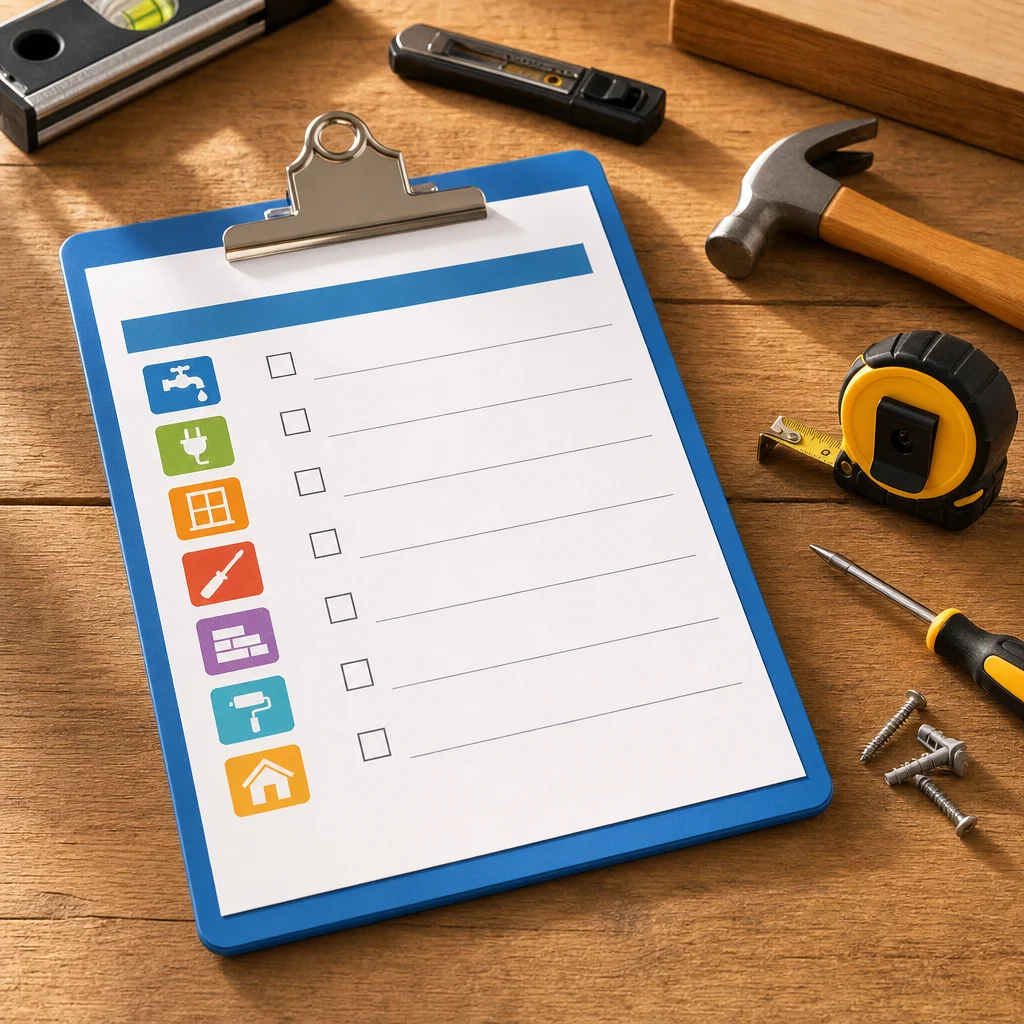
Winter brings freezing temperatures, heavy snow, and ice, which put extreme stress on your home's structure and systems. Unlike spring or fall, winter maintenance focuses on active monitoring and emergency prevention. This guide outlines the essential tasks you must perform to keep your home warm, protect your plumbing from freezing, prevent roof collapse, and maintain a safe indoor environment through the coldest months of the year. For a comprehensive overview, you can download a winter home maintenance checklist printable to track your progress.
Winter maintenance is about staying ahead of the weather. By monitoring snow accumulation, keeping walkways clear, and checking your heating systems regularly, you protect your family and avoid expensive structural repairs during winter storms. The key is to adopt a proactive mindset rather than waiting for problems to arise. For instance, a small crack in your foundation can become a major issue when water seeps in, freezes, and expands. Similarly, a neglected furnace filter can lead to system failure in the middle of a blizzard. Understanding these challenges helps you prioritize tasks and allocate your time and resources effectively throughout the season. A seasonal home maintenance checklist pdf can be a valuable tool for organizing these efforts.
Another critical aspect of winter maintenance is understanding your home's specific vulnerabilities. Older homes with single-pane windows, poor insulation, or unheated basements require more attention than newer, energy-efficient builds. Take time to walk around your property and identify areas where cold air penetrates, such as gaps around doors, windows, and electrical outlets. Sealing these drafts with weatherstripping or caulk not only improves comfort but also reduces heating costs significantly. Additionally, consider the orientation of your home; north-facing walls receive less sunlight and are more prone to ice buildup, so they may need extra monitoring. By tailoring your approach to your home's unique characteristics, you can address potential issues before they escalate into costly emergencies. Using a free printable home maintenance checklist can help you stay organized.
1. Preventing Frozen Pipes
Frozen water pipes are one of the most common and expensive winter home disasters. When water freezes, it expands, causing copper or plastic pipes to burst and flood your home. To prevent this, wrap exposed water pipes in unheated areas (crawlspaces, attics, garages) with foam insulation sleeves or electric heat tape. During extreme cold snaps, leave vanity cabinet doors open to let warm house air reach the pipes under sinks, and let faucets drip slowly to keep water moving. It's also wise to know the location of your main water shut-off valve so you can act quickly if a pipe does burst. For added protection, consider installing a freeze alarm in vulnerable areas that sends an alert to your phone if temperatures drop near freezing. A preventative home maintenance checklist printable can remind you of these critical steps.
Beyond these basic measures, there are several advanced strategies to safeguard your plumbing system. If you plan to be away from home for an extended period during winter, set your thermostat to no lower than 55 degrees Fahrenheit to maintain a baseline level of warmth throughout the house. You can also drain outdoor faucets and irrigation systems before the first freeze, as residual water in these lines is particularly susceptible to freezing. For pipes in exterior walls, consider adding insulation to the wall cavity or using heat cables that automatically activate when temperatures drop. Another often-overlooked step is insulating the pipes that run through your garage, as this space is typically unheated and can become extremely cold. By combining these techniques, you create multiple layers of defense against frozen pipes, ensuring that your home remains dry and damage-free even during the most severe cold snaps. Referencing a home maintenance checklist pdf can help you keep track of these tasks.

2. Managing Snow and Ice Accumulation
Heavy snow accumulation can compromise your roof's structure, while ice dams can cause water to leak into your ceilings. Use a roof rake to safely clear snow from the edges of your roof from the ground. Keep your driveways and walkways clear of snow and ice, using calcium chloride or sand to prevent slip-and-fall accidents. Avoid using rock salt (sodium chloride) on concrete, as it corrodes the surface and damages landscaping. For roofs, pay special attention to areas around valleys, skylights, and chimneys where snow tends to accumulate more heavily. If you notice icicles forming along your eaves, it's a sign that ice dams may be developing, and you should take immediate action to remove snow from the roof edge. A printable home maintenance checklist can help you schedule these tasks.
Managing snow and ice also involves long-term planning and preparation. Before the first snowfall, inspect your roof for any loose shingles, damaged flashing, or clogged gutters that could exacerbate ice dam formation. Clean gutters thoroughly in late fall to ensure proper drainage, and consider installing heated gutter cables to prevent ice buildup. For driveways and walkways, stock up on eco-friendly de-icers that are safe for pets, plants, and concrete surfaces. Apply de-icer before a storm hits to create a barrier that prevents ice from bonding to the pavement. After a storm, shovel snow promptly to avoid compaction, which turns into hard ice that is difficult to remove. If you have a steep driveway, consider installing a heated driveway system, though this is a significant investment. For most homeowners, a combination of proactive roof maintenance, proper de-icing techniques, and regular shoveling will keep your property safe and accessible throughout the winter. Using a fall home maintenance checklist printable can help you prepare for these winter challenges.
3. Interior Air Quality and Safety Checks
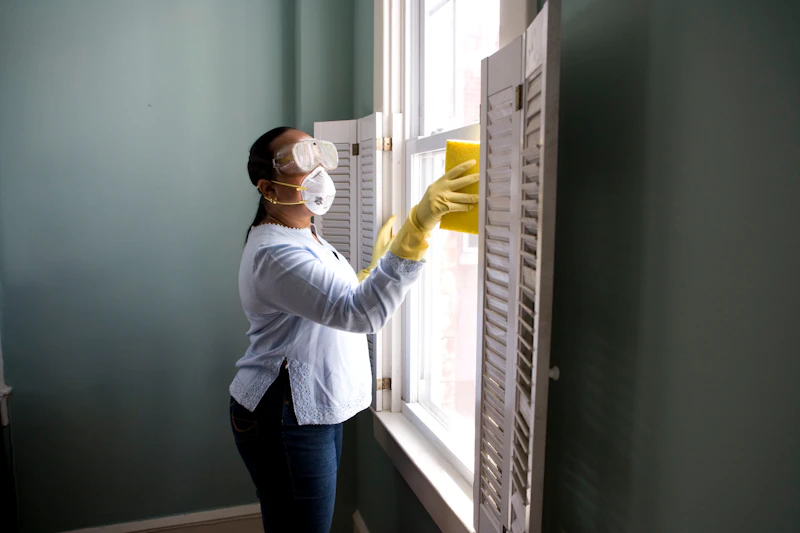
Because windows remain closed all winter, maintaining indoor air quality and safety is critical. Test your carbon monoxide detectors monthly, as heating units run continuously. Change your furnace filter every 30 days to reduce dust and allergens. If your home feels excessively dry, run a humidifier to maintain indoor humidity between 30% and 50%, which protects wood flooring and furniture from cracking and keeps your family healthy. Additionally, check your smoke detectors to ensure they are functioning properly, and replace batteries if needed. Consider installing a radon test kit in your basement, as radon levels can increase when the house is sealed tight during winter months. A monthly home maintenance checklist printable can help you remember these important safety checks.
Beyond these basics, there are several other interior maintenance tasks that contribute to a safe and comfortable winter environment. Inspect your windows and doors for drafts, and apply weatherstripping or caulk as needed to prevent heat loss. If you have a fireplace or wood stove, have it professionally cleaned and inspected before use to prevent chimney fires and carbon monoxide buildup. For homes with forced-air heating, consider having your ductwork cleaned every few years to remove dust, mold, and debris that can circulate throughout your home. Another important step is to check your attic insulation; inadequate insulation can lead to ice dams and uneven heating. Finally, pay attention to your home's humidity levels; too much moisture can lead to condensation on windows and mold growth, while too little can cause dry skin and respiratory issues. By maintaining a balanced indoor environment and staying on top of safety checks, you ensure that your home remains a healthy sanctuary during the long winter months. A home upkeep checklist template can be a great way to document these tasks for future reference.