
Spring Home Maintenance Checklist
By Kalkee Editorial Staff
Updated July 4, 2026 • Verified by Industry Experts
Importance of Spring Home Maintenance
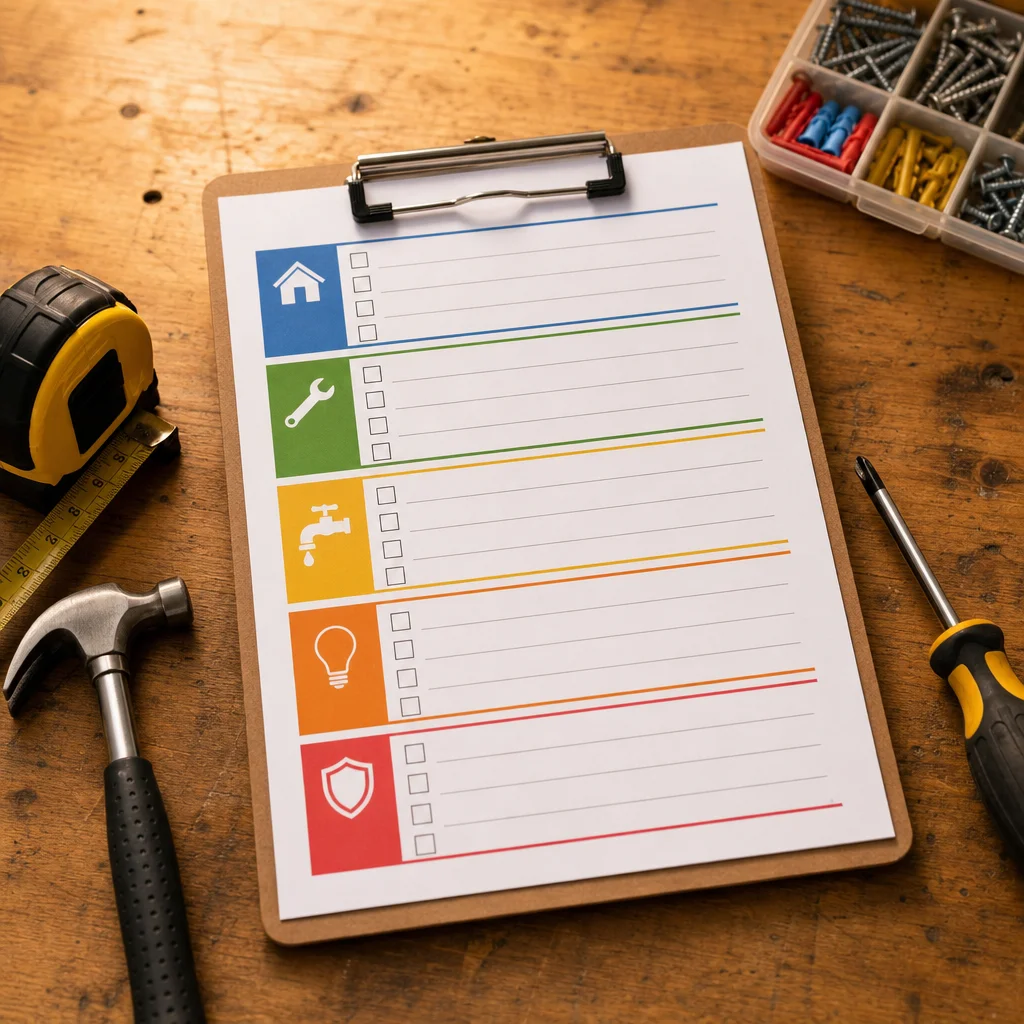
Winter weather can cause hidden damage to your home's exterior and systems. As the snow melts and temperatures rise, performing a comprehensive spring home maintenance sweep is crucial to protect your property value and catch minor issues before they turn into expensive repairs. This guide provides a step-by-step checklist to inspect your roof, clean gutters, service your HVAC system, and prepare your lawn and garden for the warm seasons ahead. Using a printable home maintenance checklist can help you stay organized and ensure no task is overlooked.
Regular maintenance is the key to preventing costly home disasters. A small roof leak or clogged gutter can quickly lead to structural wood rot, interior water damage, or foundation cracks. By taking the time to inspect and clean your home every spring, you ensure your property remains safe, dry, and valuable. Beyond just preventing damage, spring maintenance also helps you save on energy bills. A well-maintained HVAC system runs more efficiently, and sealed windows and doors keep the cool air inside during summer. Additionally, addressing minor issues like a loose shingle or a small crack in the siding now can save you hundreds, if not thousands, of dollars in emergency repairs later. Think of it as an annual health checkup for your home—a proactive approach that pays dividends in comfort, safety, and peace of mind. Many homeowners overlook these tasks because they seem tedious, but the reality is that a few hours of focused work each spring can extend the lifespan of your home's major components by years. Whether you are a first-time homeowner or a seasoned veteran, establishing a routine spring maintenance schedule is one of the smartest investments you can make in your property. For a complete overview, consider downloading a home maintenance checklist pdf to keep track of your progress.
1. Exterior Structure Inspection
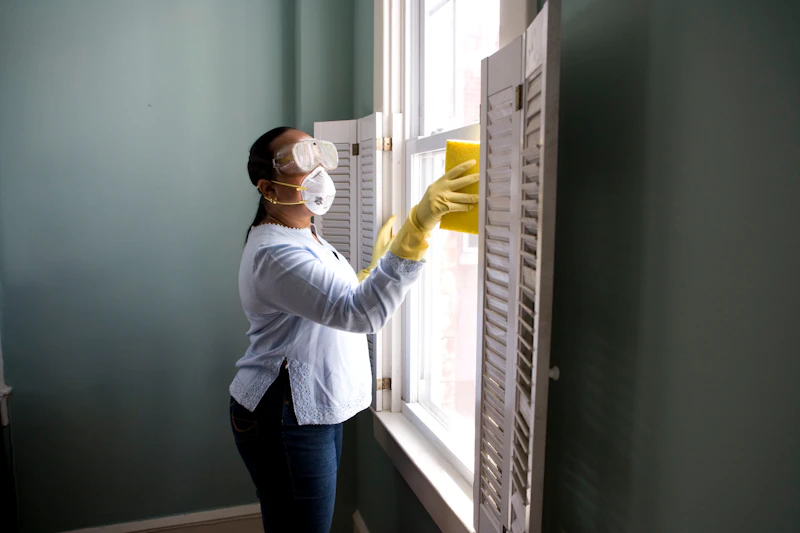
Walk around your property and check the exterior for damage. This is best done on a clear, dry day when you can easily spot issues. Start at the top and work your way down to ensure you do not miss anything. Pay close attention to areas where different materials meet, such as where the roof meets the chimney or where siding meets the foundation, as these are common trouble spots. If you have a two-story home, consider using binoculars for a closer look at the roofline, or hire a professional if you are uncomfortable with heights. Document any issues you find with photos and notes so you can track them over time or show them to a contractor if needed. A free printable home maintenance checklist can be a great resource for documenting these findings.
- Roof and Chimney Inspection
Look for cracked, missing, or curling shingles, and check the chimney flashing for gaps. Inspect your chimney brickwork for cracks or missing mortar, and hire a professional if you spot structural damage or leaks. Pay special attention to the areas around skylights, vents, and valleys where water tends to pool. If you notice any dark streaks or algae growth on your roof, this could indicate moisture retention that may lead to premature shingle deterioration. For chimney inspections, also check the cap and spark arrestor for damage, as these prevent animals and debris from entering your flue. If you have a wood-burning fireplace, consider scheduling a professional chimney sweep to remove creosote buildup, which is a fire hazard. Remember, roof repairs are best done in mild weather, so spring is the ideal time to address any issues before summer storms arrive. Incorporating this into your home maintenance schedule printable ensures it gets done annually.
- Gutters and Downspouts Cleanup
Clean out winter leaves, twigs, and debris. Ensure downspouts direct water at least 5 feet away from your foundation to prevent basement flooding and soil erosion. Use a sturdy ladder and wear gloves to protect your hands from sharp debris. After removing the bulk of the material, flush the gutters with a garden hose to check for proper drainage and identify any leaks or sagging sections. Pay attention to the joints where gutter sections connect, as these are common leak points. If you notice water pooling near your foundation after a rain, you may need to extend your downspouts further or install splash blocks. Consider installing gutter guards to reduce the frequency of cleanings, but remember that even with guards, you should still inspect and clean your gutters at least once a year. Clogged gutters can lead to ice dams in winter and mosquito breeding grounds in summer, so keeping them clear is essential for both your home's health and your family's comfort. A printable house maintenance checklist can help you remember to tackle this task each season.
- Siding, Windows, and Sills
Inspect wood siding for rot and stucco for cracks. Wash off winter grime and check around window sills for soft wood, peeling paint, or pest damage. Use a pressure washer on a low setting to clean vinyl or fiber cement siding, but be careful not to force water behind the siding, which can cause moisture damage. For wood siding, look for signs of insect infestation, such as small holes or sawdust, and treat any areas promptly. Check the caulking around windows and doors for gaps or cracks, and reapply as needed to maintain a tight seal. This not only improves energy efficiency but also prevents water intrusion that can lead to mold and rot. Inspect window screens for tears or holes and repair them before mosquito season arrives. If you have storm windows, consider removing them and storing them properly to allow for better airflow and natural light during the warmer months. A spring home maintenance checklist printable is ideal for guiding you through these exterior tasks.

2. Interior Systems and Safety Checks
Perform these essential safety and system maintenance tasks inside your home. While the exterior inspection focuses on structural integrity, the interior checks ensure that your home's systems are running safely and efficiently. Start with the areas that are most critical to your family's safety, such as smoke detectors and carbon monoxide alarms, then move on to systems that affect your comfort, like air conditioning and plumbing. Make a checklist and work through it methodically to avoid missing any steps. If you are not comfortable performing any of these tasks yourself, do not hesitate to call a professional. The cost of a service call is small compared to the potential damage from a neglected system. A seasonal home maintenance checklist pdf can be a valuable tool for organizing these interior checks.
- Air Conditioning Service
Change your HVAC air filters and clean the outdoor condenser unit of leaves and dirt. Schedule a professional tune-up to ensure optimal cooling efficiency. Start by turning off the power to your outdoor unit at the breaker box. Remove any debris, such as leaves, grass clippings, and twigs, from the fins and coils. Use a soft brush or a vacuum with a brush attachment to gently clean the fins, being careful not to bend them. Straighten any bent fins using a fin comb, which you can purchase at a hardware store. Inside your home, replace the air filter with a new one of the correct size and MERV rating. A clean filter improves airflow, reduces energy consumption, and extends the life of your system. If you have a programmable thermostat, check the batteries and update your cooling schedule for the warmer months. Scheduling a professional tune-up in early spring ensures that your system is ready for the first heatwave and can help identify issues like refrigerant leaks or failing capacitors before they cause a breakdown in the middle of summer.
- Smoke and Carbon Monoxide Detectors
Test all alarms and replace batteries. Vacuum dust off the sensors and check the expiration date printed on the back of the units. This simple task can save your life. Press the test button on each unit to ensure it emits a loud, clear alarm. If the alarm sounds weak or intermittent, replace the batteries immediately. For units that are more than 10 years old, replace the entire detector, as the sensors degrade over time. Place a carbon monoxide detector on each level of your home, especially near sleeping areas. If you have a fuel-burning appliance like a furnace, water heater, or stove, carbon monoxide detection is non-negotiable. After testing, use a vacuum cleaner with a soft brush attachment to remove dust and cobwebs from the vents and sensors, as buildup can interfere with detection. Write the replacement date on the back of each unit with a permanent marker so you know when it is time to replace it. Consider upgrading to interconnected alarms that all sound simultaneously when one detects smoke or CO, providing earlier warning in an emergency.
- Plumbing and Sump Pump
Check under sinks for leaks, inspect your water heater for corrosion, and test your sump pump by pouring water into the pit to ensure it drains. Start by looking under all sinks for signs of moisture, rust, or water stains on the cabinet floor. Tighten any loose connections and replace worn washers or supply lines. For your water heater, check the temperature and pressure relief valve by lifting the lever briefly—you should hear a rush of water and then it should stop. If it continues to drip, the valve may need replacement. Inspect the anode rod every few years to prevent tank corrosion. For the sump pump, unplug it and clean the intake screen of any debris. Pour a bucket of water into the sump pit to see if the pump activates and drains properly. If it runs but does not pump water out, the discharge line may be clogged or frozen. Consider installing a battery backup sump pump to protect your basement during power outages, which are common during spring storms. Also, check your main water shut-off valve to ensure it operates smoothly—you do not want to discover it is stuck when you have a burst pipe emergency. A winter home maintenance checklist printable can help you prepare for the colder months ahead, but spring is the time to ensure these systems are in top shape.
3. Lawn and Garden Preparation
Spring is the perfect time to revive your outdoor spaces after a long winter. Start by cleaning up any debris that has accumulated over the colder months, such as fallen branches, dead leaves, and trash. Rake your lawn gently to remove thatch and promote new growth. Aerate compacted soil to improve water and nutrient absorption, and apply a slow-release fertilizer to give your grass a healthy start. Prune dead or damaged branches from trees and shrubs before new growth begins. Test your soil pH and amend it as needed for the specific plants you are growing. If you have a vegetable garden, prepare the beds by turning the soil and adding compost. Consider starting seeds indoors for warm-season crops like tomatoes and peppers. Also, inspect your irrigation system for leaks or broken sprinkler heads and adjust the timer for the upcoming warmer weather. Mulch flower beds to retain moisture and suppress weeds. Taking these steps now will result in a lush, vibrant yard that you can enjoy all summer long. A summer home maintenance checklist pdf can help you transition your outdoor care as the season changes.
4. Tool and Equipment Maintenance
Your tools and outdoor equipment need attention too. Clean and sharpen gardening tools like pruners, shears, and shovels. Oil wooden handles to prevent cracking. For power equipment like lawn mowers, string trimmers, and leaf blowers, change the oil, replace spark plugs, and clean or replace air filters. Sharpen mower blades for a clean cut that promotes healthy grass. Check the condition of extension cords and hoses for cracks or damage and replace them if necessary. Store everything in a dry, organized space to prevent rust and deterioration. Proper tool maintenance not only extends the life of your equipment but also makes your gardening tasks easier and safer. A quarterly home maintenance checklist can help you schedule these tasks throughout the year.
5. Pest Prevention Measures
Spring is when many pests become active, so take proactive steps to keep them out of your home. Inspect the exterior for gaps or cracks in the foundation, siding, and around utility lines. Seal any openings with caulk or expanding foam. Check door sweeps and weatherstripping for wear and replace them if they are not creating a tight seal. Trim tree branches and shrubs that touch your house, as these can serve as bridges for ants, termites, and rodents. Remove standing water from your property to discourage mosquitoes. Consider applying a perimeter treatment of insecticide or hiring a professional pest control service for comprehensive protection. Also, inspect your attic and crawl spaces for signs of infestation, such as droppings, nests, or chewed wires. Early detection and prevention are far more effective than dealing with a full-blown infestation later. For new homeowners, a new homeowner checklist printable or a first time homebuyer maintenance checklist pdf can be especially helpful for establishing these routines. An ultimate home maintenance checklist printable can serve as a comprehensive guide for all these tasks, while a preventative home maintenance checklist printable ensures you stay ahead of potential issues.