
Matter Smart Home Standard: A Guide to Interoperable Devices
By Kalkee Editorial Staff
Updated July 4, 2026 • Verified by Industry Experts
What is the Matter Smart Home Standard?
Historically, smart home devices were siloed: a camera that worked with Apple HomeKit might not work with Google Assistant. The Matter standard solves this issue. Developed by a consortium including Apple, Google, Amazon, and Samsung, Matter is a universal open-source standard that ensures seamless device interoperability. Matter acts as a translator, allowing connected devices to speak the same language regardless of the manufacturer or the app you use to control them. By introducing unified IP-based communication, Matter simplifies smart home configuration, increases local security, and makes home automation accessible to everyone. This is a key part of the smart home ecosystem explained for beginners, as it removes the guesswork from choosing compatible products.
With the support of major technology companies, Matter guarantees that you no longer have to worry about buying the wrong device. If a product has the Matter logo, it is guaranteed to work with your existing smart assistant, reducing consumer frustration and paving the way for complete home automation. This standard is built on proven internet protocols like IPv6, which means it can leverage existing home network infrastructure without requiring specialized hardware. The result is a more reliable and future-proof smart home ecosystem where devices from different brands can communicate effortlessly, whether you are controlling lights, locks, thermostats, or sensors. Matter also prioritizes security by using encrypted communication and requiring device authentication, so you can trust that your home network remains protected from unauthorized access. For those wondering are smart home devices secure from hackers, this standard provides a strong layer of protection.

Why Matter Compatibility is a Game Changer
Choosing products with Matter compatibility offers three key advantages that fundamentally change how you interact with your smart home. These benefits go beyond simple convenience, addressing long-standing pain points in the smart home industry. When you are looking for best smart home devices 2026, Matter compatibility will be a crucial feature to consider.
1. Cross-Platform Multi-Admin Setup
Connect a smart bulb to Apple Home, Google Home, and Alexa simultaneously. This allows family members with different smartphones to control the same home devices using their preferred voice assistants and apps without conflict. In practice, this means you can set up a single smart light switch and have it respond to commands from your iPhone via Siri, your partner's Android phone via Google Assistant, and your child's tablet via Alexa, all without any complex configuration or account linking. The multi-admin feature ensures that everyone in the household has equal access and control, eliminating the frustration of being locked into a single ecosystem. This is especially useful in shared living spaces like kitchens, living rooms, and entryways where multiple people need to manage lighting, climate, and security. It also simplifies an alexa smart home setup guide because you can add devices that work with Google and Apple simultaneously.
2. Strict Local Control
Matter runs locally over your home Wi-Fi and Thread protocols. It bypasses the internet for daily device-to-device communication, ensuring that flipping a smart switch turns the light on instantly, even if your fiber broadband goes offline. This local control is a significant advantage over older smart home systems that relied heavily on cloud servers for basic operations. With Matter, commands like turning off a fan or adjusting a thermostat are processed within your home network, resulting in near-instantaneous response times. This also means your smart home remains fully functional during internet outages, which is critical for security devices like door locks and motion sensors. Additionally, local control reduces latency and enhances privacy, as your data does not have to travel to external servers for routine tasks. For those wanting to how to build a smart home from scratch, prioritizing local control is a smart move for reliability.
3. Simplified QR Code Setup
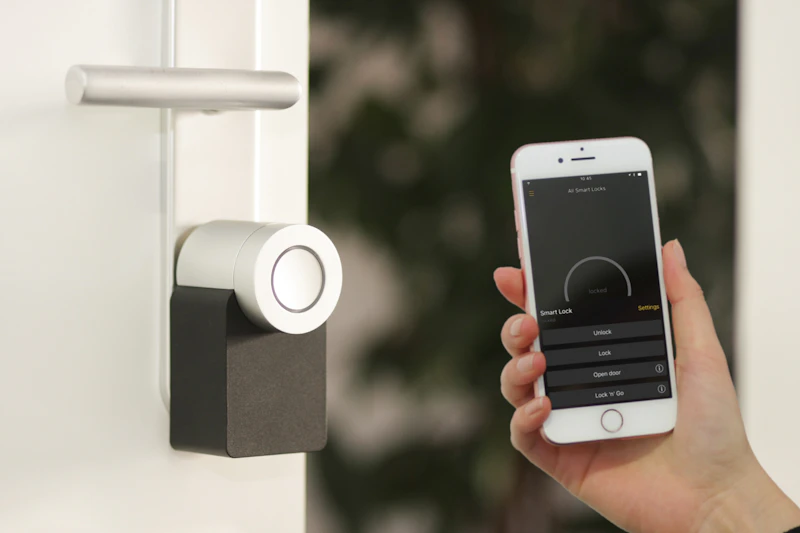
Setting up a new Matter device involves scanning a single QR code printed on the hardware. There is no need to download clunky, insecure third-party manufacturer apps or register for external cloud accounts. This streamlined process eliminates the traditional multi-step setup that often required creating accounts, entering Wi-Fi credentials multiple times, and troubleshooting connectivity issues. With Matter, you simply open your preferred smart home app, scan the QR code, and the device is automatically recognized and configured. The QR code contains all the necessary information, including device credentials and network pairing details, making the setup virtually foolproof. This simplicity is a game changer for non-technical users who want to expand their smart home without the headache of complex installations. It makes diy smart home automation for beginners much more accessible and less intimidating.
Thread vs. Wi-Fi in Matter Systems
Matter devices operate over either standard Wi-Fi or Thread. Thread is a low-power, self-healing mesh network protocol designed specifically for smart sensors, locks, and bulbs. Unlike Wi-Fi, which connects every device directly to your central router, Thread devices communicate with each other, bouncing signals from node to node. This mesh topology extends the wireless range, increases connection reliability, and prevents your home router from being overwhelmed by dozens of connected smart home devices. Wi-Fi is reserved for high-bandwidth devices like video doorbells, while Thread handles low-bandwidth sensors, ensuring an efficient, fast network layout. Thread's self-healing capability means that if one device goes offline, the network automatically reroutes data through other devices, maintaining seamless connectivity. This is particularly valuable in larger homes where Wi-Fi signals may struggle to reach every corner. Additionally, Thread devices are extremely energy-efficient, often running on small batteries for years without needing replacement, making them ideal for sensors, contact switches, and thermostats. When choosing between Wi-Fi and Thread for your Matter system, consider the device's power requirements and location. For always-on devices like smart plugs that work with alexa and google, Wi-Fi is perfectly adequate. But for battery-powered sensors or devices placed far from your router, Thread offers superior reliability and longevity.
Matter Hub and Controller Requirements
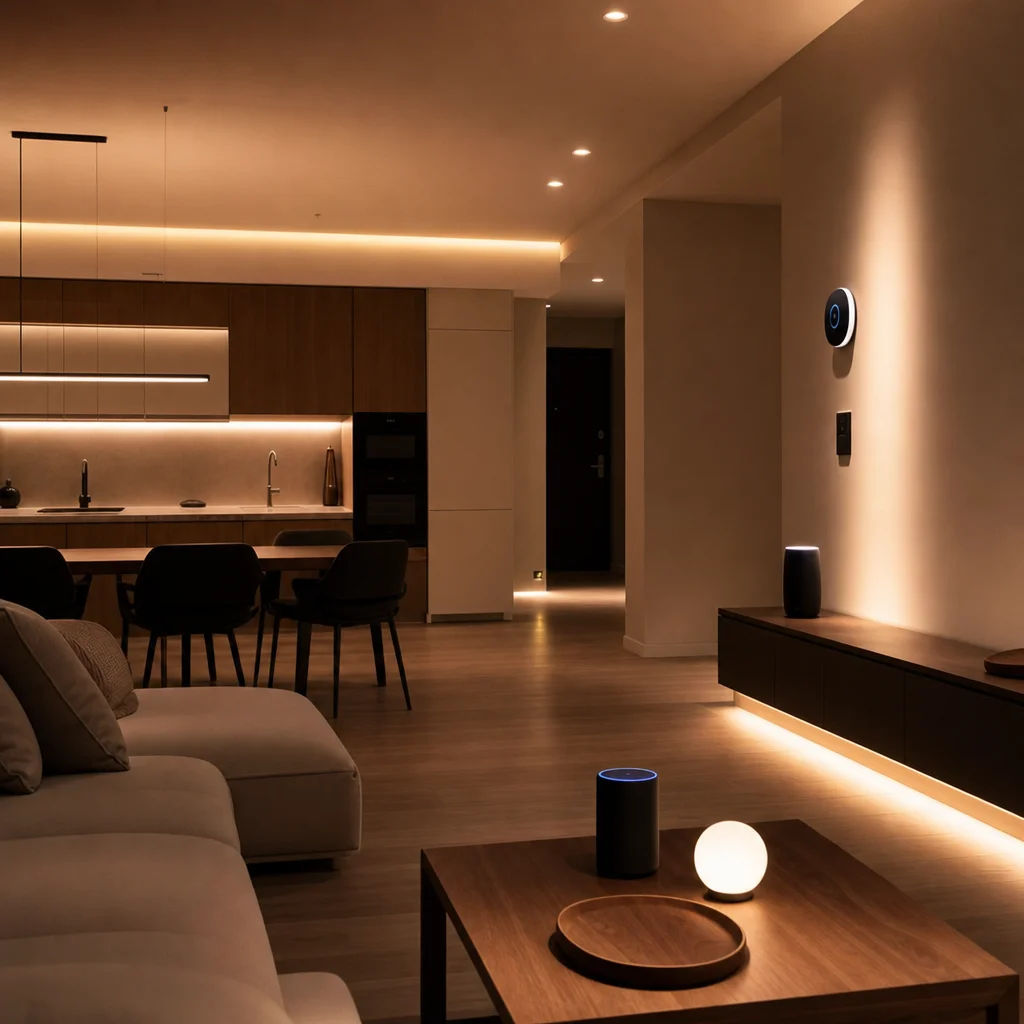
To run a Matter-based smart home, you need at least one Matter Controller. A controller acts as the brain of your network, bridging your local Thread or Wi-Fi devices to the internet and your smartphone apps. Many modern smart speakers and displays, such as the Apple HomePod Mini, Apple TV 4K, Google Nest Hub Gen 2, and Amazon Echo Gen 4, have built-in Matter Controller and Thread Border Router capabilities. Having multiple controllers on your network adds redundancy: if one smart speaker is unplugged, another controller automatically takes over the mesh network within seconds, keeping your smart home online and responsive. It is important to note that not all smart speakers or hubs are Matter-compatible out of the box; some may require a firmware update to enable Matter support. Before purchasing a controller, check the manufacturer's specifications to ensure it supports the latest version of Matter. For homes with a mix of Thread and Wi-Fi devices, a controller with a built-in Thread Border Router is essential to bridge the two networks. This setup allows your Thread sensors to communicate with Wi-Fi devices like video doorbells seamlessly. Additionally, controllers can manage multiple user accounts and permissions, making it easy to grant access to family members or guests without compromising security. As Matter continues to evolve, future controllers will likely offer even more advanced features, such as enhanced automation rules and integration with third-party services, further simplifying smart home management. This is a critical component of any smart home automation system installation plan.