
Living Room Decor Styling: How to Design a Beautiful Family Room
By Kalkee Editorial Staff
Updated July 4, 2026 • Verified by Industry Experts
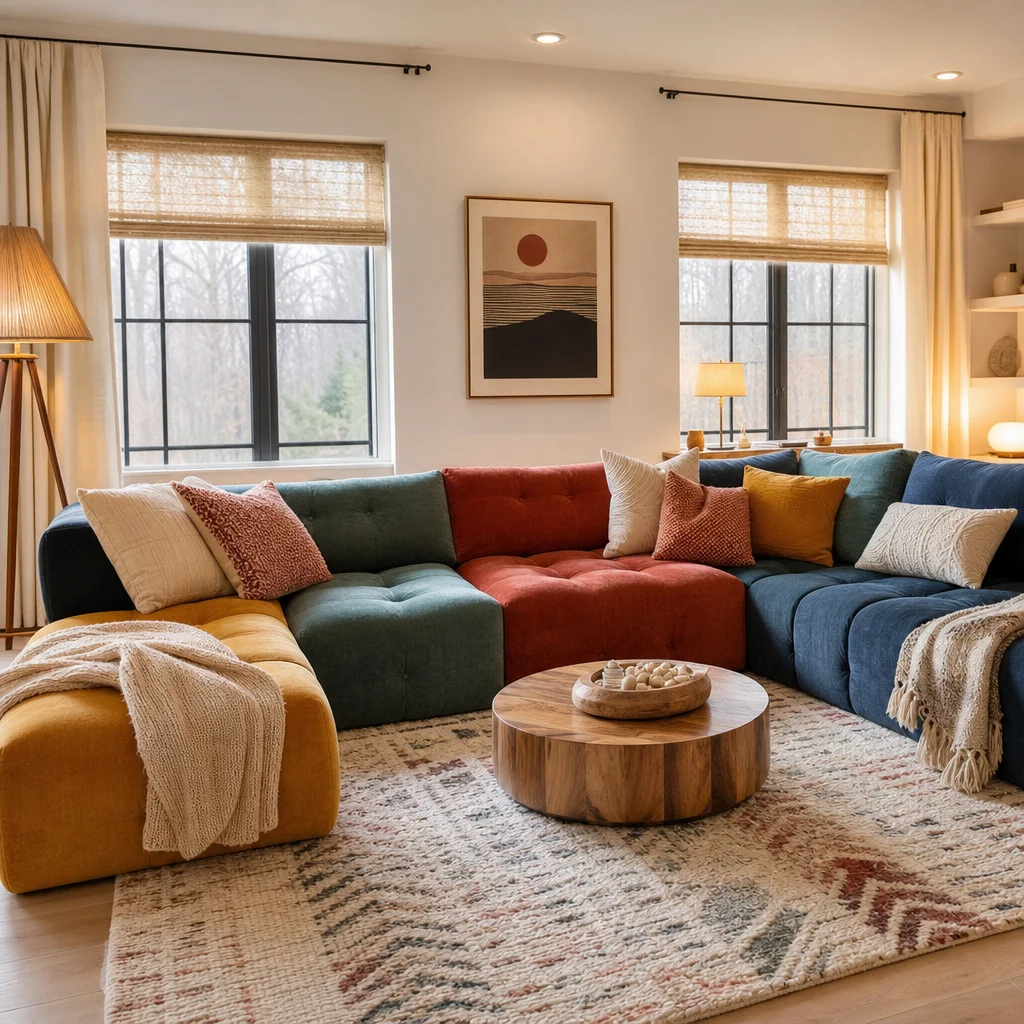
Creating a Functional and Beautiful Living Room
Your living room is the hub of daily life, making layout and comfort key. Successful living room decor styling blends visual scale, functional zones, and cohesive colors. Combining modern home decor furniture with vintage accents ensures a high-end look that stands the test of time. Styling a living room requires thinking about how the space is used: is it a media room, a reading nook, a conversation parlor, or all three? By planning layout zones, scale, and lighting, you can create a family room that is visually stunning and highly functional for daily activities.
A well-styled living room should feel balanced and inviting. It should represent your design style while providing comfortable seating for your family and guests. By focusing on a few design principles—such as establishing a clear focal point, selecting the right rug size, and layering textures—you can transform a plain room into a premium, designer-level space that makes a great first impression. The process starts with understanding the room's natural flow. Consider the traffic patterns: how do people move from the entryway to the sofa, or from the dining area to the window? Keeping pathways clear and unobstructed is essential for a space that feels open rather than cramped. Additionally, think about the room's purpose in your daily life. If you host frequent gatherings, prioritize ample seating and a central coffee table for drinks and snacks. If the room is primarily for quiet evenings, focus on cozy nooks with soft throws and good reading lights. By tailoring the design to your lifestyle, you ensure the living room serves you well every day.
Another critical aspect is the color palette. Neutral tones like warm beige, soft gray, or creamy white form a versatile backdrop that allows furniture and decor to shine. From there, you can introduce pops of color through accent pillows, artwork, or a statement rug. This approach keeps the room feeling cohesive and prevents it from becoming visually overwhelming. Remember, the goal is to create a space that feels both curated and lived-in, where every element has a purpose and contributes to the overall harmony.

Key Decor Styling Rules for Living Rooms
To design a balanced and inviting living room, follow these interior design guidelines:
1. Establish a Clear Focal Point
Anchor the room around a fireplace, a large window with a view, or a statement media console. Arrange your seating layouts facing this focal point to create a natural orientation that feels grounded and balanced. If a television is the focus, integrate it into a gallery wall or a custom media unit to keep the screen from dominating the visual space. A well-chosen focal point draws the eye and gives the room a sense of purpose. For example, if you have a beautiful fireplace, arrange the sofa and armchairs in a U-shape around it, with the coffee table at the center. This setup encourages conversation and makes the fireplace the star of the room. If your focal point is a large window with a view, position seating to face outward, allowing natural light and scenery to become part of the decor. In rooms without an obvious focal point, you can create one with a large piece of art, a dramatic mirror, or a bold accent wall painted in a deep hue. The key is to choose one element that commands attention and then build the rest of the room around it, ensuring a cohesive and intentional design.
2. Scale Your Rugs Correctly
Ensure your area rug is large enough that all front legs of your furniture sit comfortably on it. A common living room decor mistake is using a rug that is too small, which makes the entire room feel cramped and fragmented. An 8x10 or 9x12 rug creates a cohesive zoning effect that anchors the conversational seating block, making the room look larger. The rug should define the seating area, not float in the middle of the room. For a standard living room layout, measure the space and choose a rug that extends at least 18 inches beyond the sofa on all sides. This allows the furniture to feel connected and grounded. In open-plan spaces, use the rug to delineate the living area from the dining or entry zones. A well-scaled rug also adds warmth and texture underfoot, making the room feel more inviting. If you have a sectional, ensure the rug is large enough to accommodate the entire piece, with the front legs of the sofa and any chairs resting on the rug. This simple adjustment can transform the room's proportions and create a more polished, professional look.
3. Mix Textures for Tactile Depth
Layer a leather accent chair with a plush velvet sofa, a wooden coffee table, and a woven wool rug. Combining varied materials (smooth, rough, matte, and glossy) adds visual warmth and prevents a monochromatic or modern space from looking cold and sterile. Use boucle throw pillows and linen curtains to add further tactile layers. Texture is the secret ingredient that makes a room feel rich and lived-in. Think about the surfaces you touch daily: the softness of a chenille throw, the cool smoothness of a marble side table, the warmth of a reclaimed wood shelf. By incorporating a mix of these elements, you create a sensory experience that engages more than just the eyes. For instance, pair a sleek leather sofa with a chunky knit blanket and velvet pillows. Add a jute rug for a natural, earthy feel, and finish with metal or glass accents for a touch of shine. The contrast between these materials keeps the eye moving and adds depth to the design. Don't forget about wall textures, too: consider a textured wallpaper, a shiplap accent wall, or even a gallery of framed prints with different matting and frame finishes. Every layer of texture contributes to a space that feels curated and comfortable.
4. Curate Decor Items Using the Rule of Threes
Avoid cluttering shelves. Use the 'rule of threes' when arranging vases, books, and candles. Grouping items in odd numbers is more visually appealing and memorable to the human eye, establishing balanced heights and shapes. For example, place a tall vase, a medium candle, and a flat decorative bowl together on a sideboard. This principle applies to coffee tables, mantels, and bookshelves as well. When styling a shelf, start with a large item like a stack of books or a sculpture, then add a medium-sized plant or a framed photo, and finish with a small decorative object like a ceramic dish or a small candle. Vary the heights by using book stacks or risers to create visual interest. Leave some empty space between groupings to let each item breathe. The rule of threes also works with color: choose three accent colors that complement each other, such as navy, blush, and gold, and repeat them throughout the room in pillows, art, and accessories. This creates a cohesive look without being too matchy-matchy. Remember, the goal is to create a curated, intentional display that feels effortless and elegant.
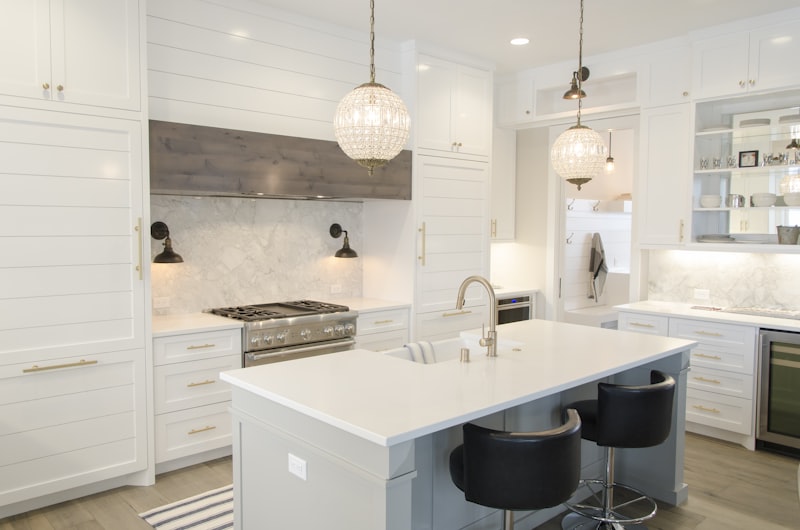
Layering Lighting for Ambient Warmth
Lighting is the most overlooked element in family room design. Instead of relying on a single overhead fixture, layer lighting by placing floor lamps near armchairs, table lamps on sideboards, and accent wall sconces to create cozy evening pockets. Using dimmers and choosing warm-white bulbs (2700K to 3000K) ensures that your living room transitions smoothly from a bright workspace during the day to a relaxing retreat at night. The key to effective lighting is to think in layers: ambient, task, and accent. Ambient lighting provides overall illumination, often from ceiling fixtures or recessed lights. Task lighting focuses on specific areas where you need light for reading, working, or hobbies, such as a floor lamp next to a reading chair or a desk lamp on a console. Accent lighting highlights architectural features, artwork, or decor items, adding drama and depth. For example, install picture lights above a gallery wall to draw attention to your favorite wall art prints, or use LED strip lights under a media console to create a floating effect. Dimmers are a game-changer because they allow you to adjust the mood throughout the day. In the morning, you might want bright, energizing light, while in the evening, a soft, dim glow sets a relaxing tone. By layering these different types of lighting, you can create a versatile space that adapts to your needs and enhances the overall ambiance.
Furthermore, accent lighting like picture lights over artwork or soft LED strip lights behind a media console adds depth and luxury to the space. Proper home lighting styling is a simple and cost-effective upgrade that instantly elevates the mood and highlights your favorite home decor items, creating a cozy and high-end feel. Consider also the placement of natural light. Use sheer curtains or blinds that can be adjusted to control the amount of sunlight entering the room. During the day, natural light can be the primary source, reducing the need for artificial lighting and creating a bright, airy atmosphere. At night, layer your artificial lights to mimic the warmth of natural light. For a truly luxurious touch, consider adding a chandelier or a statement pendant light as a focal point in the ceiling. This not only provides ambient light but also serves as a design element that ties the room together. Remember, lighting is not just about visibility; it is about creating an experience that makes the room feel welcoming and comfortable at any hour.
Decor Styling for Coffee Tables and Shelves
Once the main furniture is positioned, styling the surfaces is where the magic happens. On your coffee table, use a wooden or marble tray to group objects together. Place a vase of fresh flowers, a stack of coffee table books, and a scented candle inside the tray to create a beautiful, organized display. For open shelves, alternate between vertical and horizontal book arrangements, and leave blank space (breathing room) between groupings to prevent visual clutter. This curated approach ensures your living room feels personal and elegant. The coffee table is often the centerpiece of the seating area, so it deserves special attention. Start by choosing a tray that fits the scale of the table—too small and it looks lost, too large and it overwhelms. Inside the tray, arrange items in a triangle or a line, varying heights for visual interest. For example, place a tall vase on one side, a stack of two or three books in the middle, and a small candle or a decorative object on the other side. Add a small plant or a bowl of decorative stones for texture. Avoid overcrowding; leave some empty space on the table for drinks, remotes, or magazines. The goal is to create a display that feels intentional but not overly staged.
For open shelves, think of them as a gallery for your favorite items. Start by removing everything and then adding back in layers. Place larger items like vases or sculptures at the ends of shelves to anchor the display. Use book stacks as risers to elevate smaller objects. Group items in odd numbers, as with the rule of threes, and vary the orientation of books—some stacked horizontally, some standing vertically. Incorporate personal items like framed photos or travel souvenirs to add character. Leave empty spaces between groupings to let the eye rest. This breathing room is crucial for preventing the shelves from looking cluttered. You can also add small plants or trailing vines to bring life and color to the display. Remember, the shelves should reflect your personality and interests, so don't be afraid to mix high-end decor with sentimental pieces. The result will be a living room that feels both curated and lived-in, with every surface telling a story.