
A Guide to Modern Minimalist Decor: Creating a Clutter-Free Space
By Kalkee Editorial Staff
Updated July 4, 2026 • Verified by Industry Experts
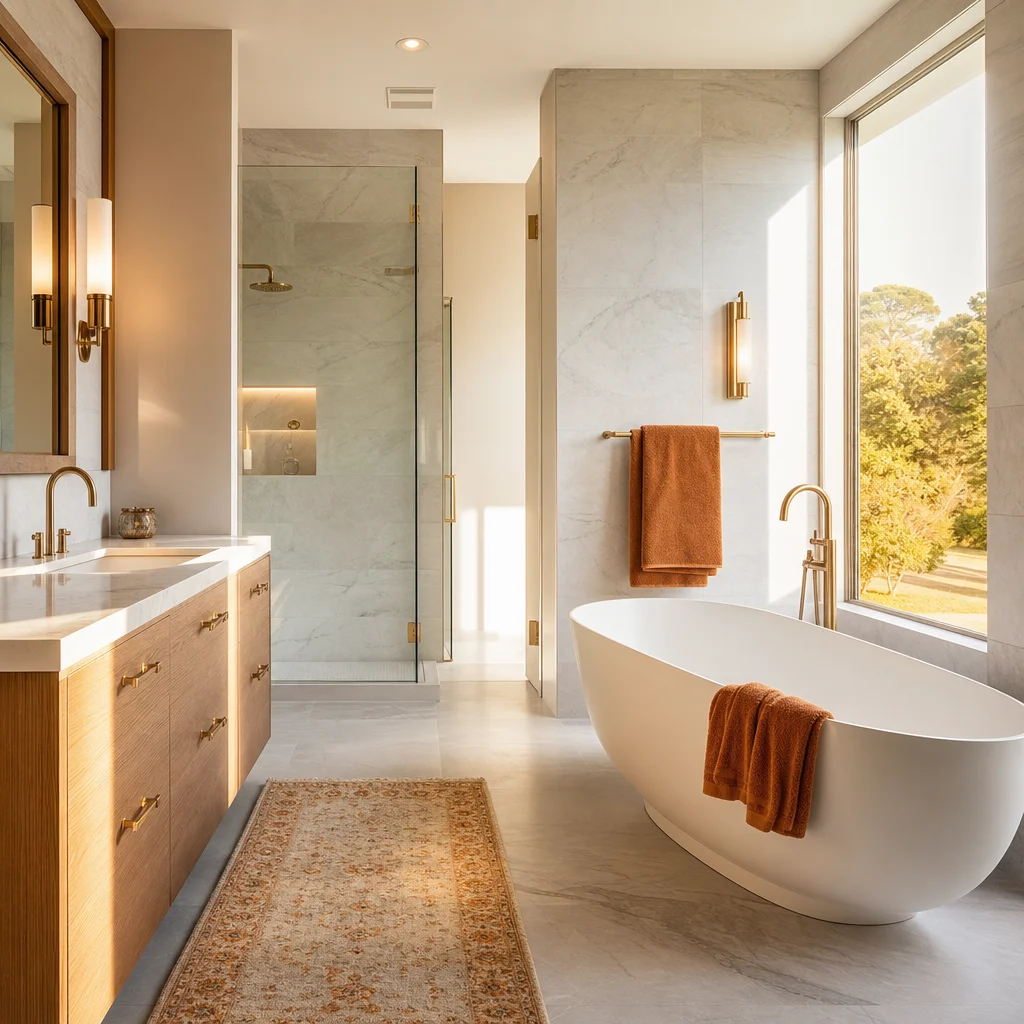
The Philosophy of Modern Minimalist Decor
Modern minimalist decor is not about living in a bare, sterile white box. Instead, it focuses on intentionality, selecting items that have purpose, and celebrating empty space. In interior design, this approach is often referred to as soft minimalism, which combines clean lines with warm, organic materials to create a cozy, stress-free home. By removing excess clutter and prioritizing quality over quantity, you create a calm sanctuary that allows your mind to rest and focus on what truly matters. For those seeking fresh home decor ideas, this philosophy offers a timeless foundation that can be adapted to any room, from a serene scandinavian living room to a cozy bedroom retreat.
Soft minimalism rejects cold, stark spaces. Instead, it embraces warm lighting, tactile fabrics, and natural wood grain to create a home that feels open, airy, and deeply comfortable. The goal is to curate a space where every item is beautiful, functional, and intentional, ensuring a peaceful living experience. This philosophy extends beyond mere aesthetics; it is a lifestyle choice that encourages mindfulness in how we consume and arrange our surroundings. When you walk into a room designed with soft minimalism in mind, you immediately feel a sense of relief. The visual noise is gone, replaced by a quiet elegance that invites you to breathe deeply and unwind. It is a design approach that values the negative space as much as the objects within it, allowing each piece to breathe and command attention without competition. This intentional curation transforms a house into a home that supports your well-being, rather than overwhelming your senses with unnecessary distractions. Whether you are exploring modern home decor or looking for renter friendly decor, these principles help you create a space that feels both personal and peaceful.

Core Rules of Soft Minimalism
To implement this design system in your space, focus on these elements:
1. Form Follows Function
Every furniture piece should serve a practical purpose and have a clean, sleek silhouette. Avoid overly ornate designs or bulky items that restrict movement and visual flow. This principle ensures that your space remains efficient and uncluttered. For example, a simple wooden bench in the entryway offers a place to sit while putting on shoes and also acts as a subtle visual anchor. A streamlined sofa with hidden storage compartments can double as a place to stow away blankets and pillows, keeping the living area tidy. When you prioritize function, you naturally eliminate pieces that are purely decorative and take up valuable real estate. This does not mean you cannot have beautiful items; rather, it means that beauty should be inherent in the design's utility. A well-crafted chair with clean lines is both a functional seat and a work of art. By adhering to this rule, you ensure that every square foot of your home works for you, making daily life smoother and more enjoyable. For those with limited space, these small living room ideas can help maximize functionality without sacrificing style.
2. Monochromatic Warmth
Avoid bright primary colors. Instead, choose a palette of warm neutrals, creams, beiges, taupes, and soft wood tones. These colors reflect natural light and create a serene, expansive environment. The key is to layer these hues in different shades and textures to add depth without introducing visual chaos. For instance, a living room might feature a cream-colored sofa, beige linen curtains, a taupe area rug, and a walnut coffee table. The subtle variations in tone create a cohesive and calming backdrop that feels anything but flat. Warm neutrals also have the advantage of being timeless; they do not go out of style and can be easily updated with accent pillows or throws in seasonal colors. This palette works particularly well in spaces with large windows, as it amplifies the natural light and makes the room feel larger and more inviting. By sticking to a monochromatic warm scheme, you create a harmonious flow from room to room, enhancing the overall sense of peace and continuity in your home. Adding printed pillow covers in neutral tones can further enhance the cozy feel while maintaining the minimalist aesthetic.
3. Quality Over Quantity
Invest in a single high-quality statement coffee table, rug, or light fixture instead of several cheaper, low-quality accent items. A few well-crafted pieces elevate the entire room's value. This approach not only saves you money in the long run but also reduces waste and the need for constant replacements. When you choose quality, you are investing in materials that age gracefully, such as solid wood, natural stone, or handwoven wool. These pieces develop a patina over time, adding character and warmth to your home. For example, a hand-knotted wool rug in a neutral tone will last for decades and become softer with each passing year, whereas a synthetic rug might fray and fade after a few seasons. Similarly, a solid oak dining table can be refinished and passed down through generations, while a particleboard table will likely end up in a landfill. By curating a collection of high-quality items, you create a home that feels substantial and intentional, where every object tells a story and contributes to the overall aesthetic without overwhelming the space. Consider investing in a large wall mirror or an arched mirror as a statement piece that adds both function and elegance to your living room decor.
4. Hide the Clutter with Smart Storage
Utilize closed storage cabinets, built-in drawers, and storage ottomans to keep surfaces clear of daily items. If an object does not serve a decorative purpose, keep it hidden. This rule is crucial for maintaining the clean, uncluttered look that defines minimalist decor. Clutter is the enemy of calm, and visible mess can quickly undo the serene atmosphere you are trying to create. Invest in furniture that offers hidden storage, such as a media console with cabinets instead of open shelves, or a bed frame with drawers underneath. In the kitchen, use pull-out pantry organizers and deep drawers for pots and pans to keep countertops clear. In the bathroom, install a mirrored medicine cabinet with shelves to store toiletries out of sight. The goal is to have a designated place for everything, so that tidying up becomes a quick and effortless task. When surfaces are clear, your eye is drawn to the carefully chosen decorative items, such as a single vase of fresh flowers or a sculptural candle holder, which then become the focal points of the room. Smart storage is the backbone of a minimalist home, allowing you to enjoy the beauty of the space without the stress of constant maintenance. For a touch of personality, consider using peel and stick wallpaper on an accent wall to add pattern without permanent commitment, especially in renter friendly decor scenarios.
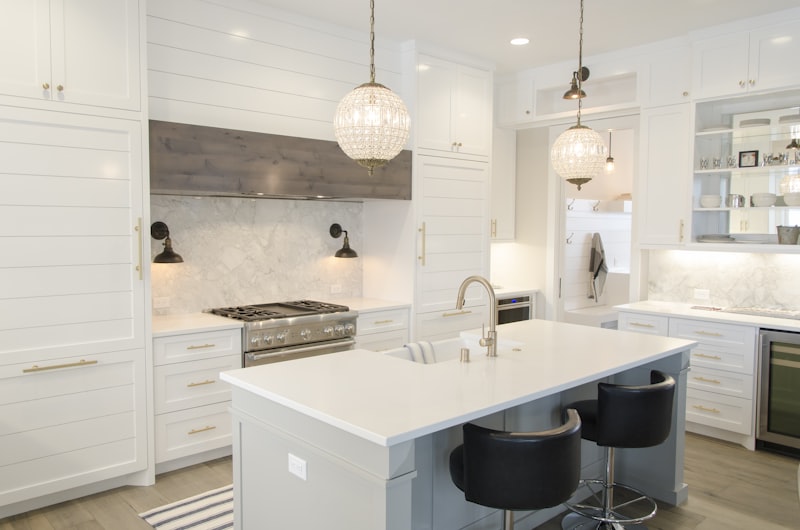
How to Add Warmth to Minimalist Spaces
To prevent a minimalist home from feeling cold, layer rich textures. Use raw boucle upholstery, heavy linen curtains, rustic wood grains, and woven wool rugs to add depth and tactile warmth to the room. Introduce organic shapes, such as a curved sofa or a round stone side table, to soften the straight lines of modern architecture. Biophilic elements, like a single tall branch in a ceramic vase, also bring life and movement into the minimalist layout. The interplay of different textures is what transforms a space from sterile to inviting. For instance, pairing a smooth leather sofa with a chunky knit throw and a sheepskin rug creates a visual and tactile contrast that feels luxurious and cozy. Similarly, mixing matte and glossy finishes, such as a matte black light fixture against a glossy white wall, adds subtle interest without disrupting the minimalist aesthetic. Lighting also plays a critical role in adding warmth. Opt for warm-toned LED bulbs (around 2700K) and use multiple light sources, such as floor lamps, table lamps, and sconces, to create a soft, ambient glow. Avoid harsh overhead lighting that can make a room feel clinical. Instead, layer your lighting to create pockets of warmth and shadow, mimicking the natural light of a sunset. By thoughtfully combining textures, shapes, and lighting, you can achieve a minimalist space that feels not only calm but also deeply inviting and comfortable. Adding statement lampshades can serve as both a functional light source and a decorative focal point, enhancing the overall ambiance.
Through thoughtful texture layering and warm neutral color schemes, soft minimalism achieves a premium, cozy, and relaxing design. The end result is a home that feels incredibly spacious, cohesive, and deeply restorative. It is a space that adapts to your lifestyle, offering a refuge from the chaos of the outside world. Whether you are reading a book in a cozy corner or entertaining friends in an open-plan living area, the principles of soft minimalism ensure that your home supports your activities without overwhelming you. This design philosophy is not about deprivation; it is about making conscious choices that enhance your quality of life. By embracing soft minimalism, you create a home that is not only beautiful but also functional, sustainable, and deeply personal. It is a testament to the idea that less truly can be more, especially when that less is chosen with care and intention. For seasonal updates, you can easily incorporate fall decor or christmas home decor elements that align with the minimalist ethos, using natural materials and muted tones.
Minimalist Wall Art and Decor
When decorating walls in a minimalist home, avoid busy gallery walls. Instead, choose a single, large-scale abstract painting, a minimalist line drawing, or a textured canvas print in a clean oak frame. Let the artwork serve as the room's statement piece, surrounded by plenty of empty wall space (negative space). This focus highlights the beauty of the art and maintains the clean, calm look of the home. The scale of the artwork is important; a piece that is too small can get lost on a large wall, while a piece that is too large can overwhelm the room. Aim for artwork that covers about two-thirds to three-quarters of the width of the furniture below it, such as a sofa or console table. For example, if you have a 72-inch sofa, look for a piece that is around 48 to 54 inches wide. The placement should be at eye level, typically with the center of the artwork hanging 57 to 60 inches from the floor. This creates a harmonious relationship between the art and the surrounding space. In addition to paintings and prints, consider three-dimensional wall decor, such as a woven textile, a ceramic wall sculpture, or a set of floating shelves with a few carefully curated objects. These elements add depth and interest without cluttering the visual field. Remember that negative space is your ally; it allows the eye to rest and appreciate the art fully. By being selective and intentional with your wall decor, you can create a gallery-like atmosphere that feels curated and sophisticated, rather than chaotic and overwhelming. This approach ensures that your walls contribute to the overall sense of peace and elegance that defines a minimalist home. For a modern twist, canvas wall art or wall art prints in neutral tones can seamlessly integrate into your decor, while an arched mirror can reflect light and make the space feel larger. If you are looking for ongoing inspiration, a home decor subscription box can deliver curated pieces that align with your minimalist vision.