
A Guide to Home Lighting Design: Layering Ambient, Task, and Accent Lights
By Kalkee Editorial Staff
Updated July 4, 2026 • Verified by Industry Experts
Why Lighting is the Ultimate Decor Tool
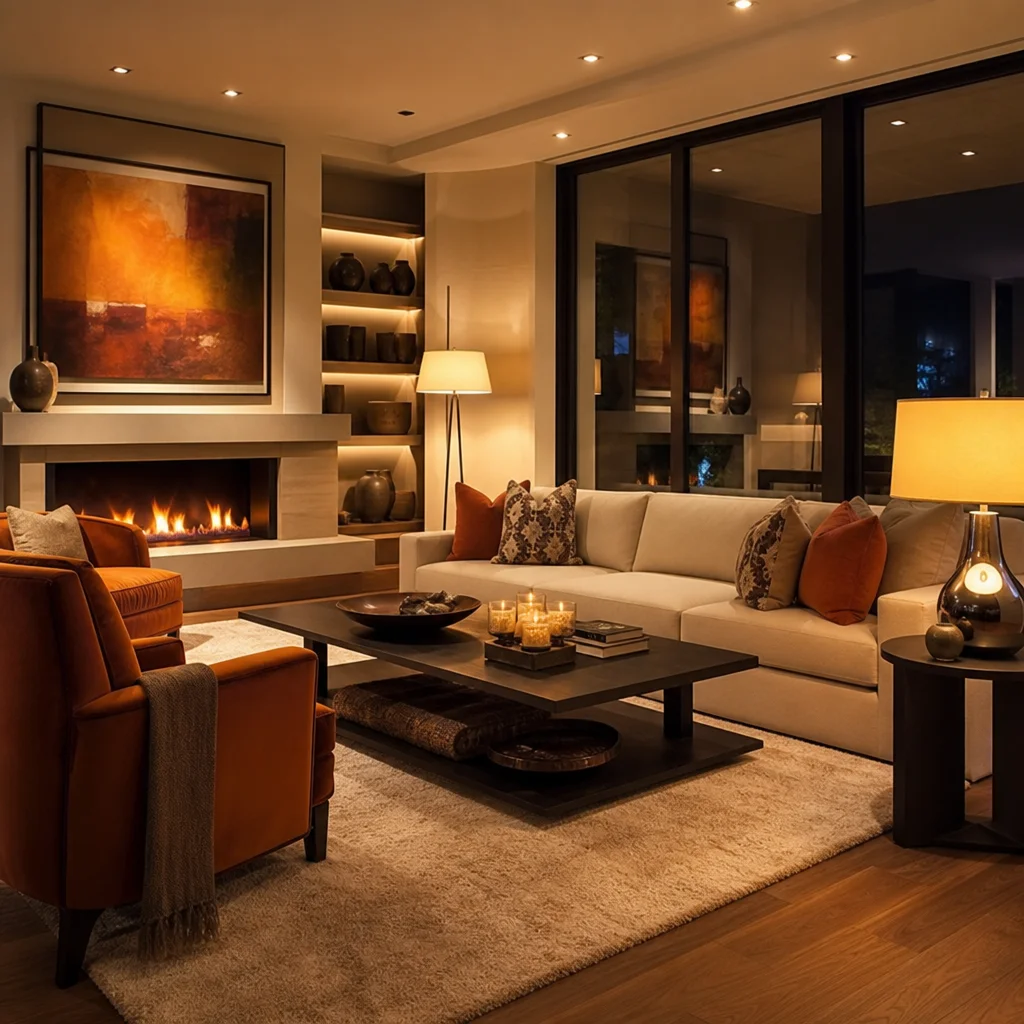
You can have the most beautiful home decor and furniture, but if the lighting is poor, the entire space will feel uninviting. Professional lighting design is the secret tool that dictates how colors render, defines functional zones, and establishes a cozy atmosphere. The core rule of home lighting styling is to layer different light sources, allowing you to control the mood and adapt the space for various activities. Think of lighting as the invisible paintbrush that can make a small room feel expansive, a dark corner feel inviting, or a plain wall feel like a gallery feature. Without thoughtful illumination, even the most expensive sofa or carefully curated art collection can fall flat. The magic lies in how light interacts with surfaces, textures, and colors, creating depth and dimension that static decor cannot achieve on its own. For those seeking home decor ideas, starting with lighting is a transformative approach that elevates every other element, from wall decor to furniture.
Proper lighting also improves home productivity and wellness. Warm, soft lighting prepares your body for sleep, while bright, focused task lighting helps you read, cook, or work without eye strain. By understanding the layers of lighting, you can design a beautiful and functional lighting scheme for every room. Beyond aesthetics, consider how natural light shifts throughout the day and how your artificial lighting can complement or compensate for those changes. For instance, a north-facing room may feel perpetually dim, so layering warm ambient light with strategic accent fixtures can mimic the sun's glow. On the other hand, a south-facing space might benefit from adjustable blinds and dimmable lights to manage glare during peak hours. The goal is to create a dynamic environment that supports your daily routines, from morning coffee to evening relaxation, without requiring constant manual adjustments. This approach is especially valuable for those exploring small living room ideas, where lighting can visually expand the space and define distinct zones.

The Three Layers of Home Lighting
A premium lighting layout utilizes these three distinct light types, each serving a unique purpose to transform a room from flat to fabulous. When you master the interplay between ambient, task, and accent lighting, you gain the ability to sculpt the atmosphere of any space with precision. This layered approach is not just about adding more fixtures; it is about strategic placement and intensity control to achieve balance. For example, a living room with only a ceiling fixture can feel harsh and uninviting, but adding a floor lamp for reading and a spotlight on a piece of art instantly creates visual interest and comfort. The key is to avoid relying on a single source of light, which often casts unflattering shadows and leaves corners in darkness. Instead, think of each layer as a tool in your design toolkit, ready to be adjusted based on the time of day or the activity at hand. When planning your living room decor, consider how these layers can highlight your favorite home decor items, such as a large wall mirror or canvas wall art.
1. Ambient (General) Lighting
The base layer that lights up the room, typically from recessed ceiling lights, flush mounts, or statement chandeliers. It provides safety and visibility for daily movement. Ambient lighting sets the overall brightness level and should be evenly distributed to eliminate dark spots. In open-concept homes, consider using multiple ambient sources, such as a series of recessed lights or a linear suspension, to define different zones without visual breaks. Dimmable ambient fixtures are a worthwhile investment because they allow you to lower the intensity for movie nights or raise it for social gatherings. When selecting ambient fixtures, pay attention to the light output measured in lumens; a living room typically needs around 1,500 to 3,000 lumens, depending on size and ceiling height. Remember that ambient light should never be the sole source of illumination; it is the foundation upon which you build the rest of your lighting scheme. For those with a scandinavian living room, a simple, elegant pendant light can serve as both ambient lighting and a focal point that complements minimalist wall art prints.
2. Task Lighting
Focused light for specific activities, like an adjustable desk lamp, under-cabinet kitchen LED strips, or a reading light beside an armchair. Task lights prevent eye strain in work areas. The key to effective task lighting is positioning the light source so it illuminates the work surface without casting shadows from your body or hands. For example, a desk lamp should be placed on the opposite side of your dominant hand to minimize glare on paper or screens. In the kitchen, under-cabinet lighting eliminates the shadow cast by your upper body when chopping vegetables or reading recipes. For bathroom vanities, sconces mounted on either side of the mirror provide even, shadow-free light for grooming tasks. Task lighting does not have to be purely utilitarian; choose fixtures that complement your decor style, such as a sculptural arc lamp over a reading chair or a sleek linear LED strip under open shelving. The goal is to make everyday tasks more comfortable and efficient while maintaining visual harmony. Adding printed pillow covers with a cozy pattern near a reading nook can enhance the overall comfort and style of the space.
3. Accent (Decorative) Lighting
Highlights architectural details, textures, or artwork. Examples include wall picture lights, inside-cabinet display lights, or soft floor uplights behind large indoor plants. Accent lighting adds depth and luxury. This layer is often the most overlooked but can have the greatest impact on the perceived quality of a room. Accent lighting draws the eye to specific features, creating focal points that break up monotony and add drama. When used correctly, it can make a room feel larger by emphasizing vertical surfaces or create intimacy by casting soft pools of light. For best results, use accent lights with a narrow beam angle (around 15 to 30 degrees) to concentrate light on the object or area you want to highlight. Dimmers are essential for accent lighting because they allow you to adjust the intensity from a subtle glow to a bold statement. Consider using LED strip lights behind a headboard or along a bookshelf to add a modern, floating effect. Accent lighting is where you can experiment with color and texture, such as using a warm amber bulb to enhance the richness of a wooden wall or a cool white light to make a metallic sculpture pop. This technique works beautifully with accent wall ideas, where a strategically placed light can draw attention to a textured wallpaper or a gallery of wall art prints.
Color Temperature and Mood
For living rooms and bedrooms, choose bulbs with a warm color temperature (2700K to 3000K) to create a relaxed, cozy feel. Warm light triggers melatonin production, preparing your body for rest. Save cool white lights (4000K to 5000K) for garages, laundry rooms, and detailed task workspaces where high focus and clear visibility are required. The science behind color temperature is rooted in how our eyes and brains respond to different wavelengths of light. Warm tones mimic the golden hour of sunset, signaling to your body that it is time to wind down, while cool tones replicate midday sunlight, promoting alertness and concentration. In a home office, using a mix of warm ambient light and a cool task light can give you the best of both worlds: a comfortable environment with focused illumination for work. For dining rooms, a warm color temperature around 2700K enhances the appearance of food and creates an intimate setting for meals. Avoid using cool white bulbs in bedrooms or living areas, as they can feel sterile and disrupt your circadian rhythm, leading to poor sleep quality over time. For a preppy bedroom decor scheme, warm lighting can soften the bold patterns and create a serene retreat.
By matching color temperatures across a single room, you create a harmonious and polished look. Avoid mixing warm and cool bulbs in the same fixture, which looks disjointed and cheap. Installing dimmer switches is also an easy upgrade that instantly shifts a room from task-focused day to cozy evening ambient warmth. Dimmers allow you to fine-tune the brightness without changing the color temperature, giving you complete control over the mood. For maximum flexibility, consider smart bulbs that let you adjust both brightness and color temperature via an app or voice command. This technology is especially useful in multi-purpose rooms like a living-dining combo, where you might want bright, cool light for homework or paperwork and warm, dim light for movie night. When selecting bulbs, look for a high Color Rendering Index (CRI) of 90 or above, which ensures that colors appear natural and vibrant under the light. Low CRI bulbs can make skin tones look washed out and decor appear dull, undermining your design efforts. Remember that consistency is key; once you choose a color temperature for a room, stick with it across all fixtures to maintain visual cohesion. This attention to detail is crucial for achieving a cohesive modern home decor aesthetic, where every element works in harmony.
Placement Rules for Pendant Lights and Sconces
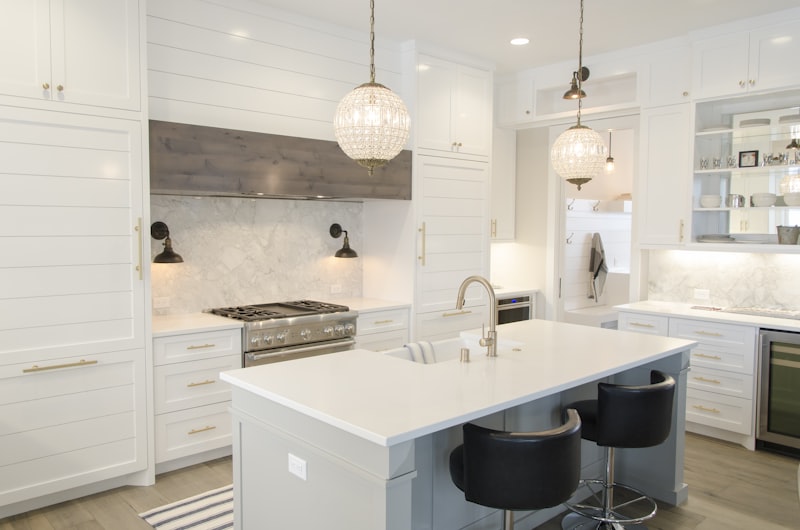
When hanging pendant lights or wall sconces, proper placement height is key. In dining rooms, hang a chandelier 30 to 36 inches above the table surface. For kitchen islands, place pendants 30 inches apart and 30 inches above the countertop. Mount bedside wall sconces at eye level when sitting in bed (typically 55 to 60 inches from the floor). These dimensions ensure optimal light spread without causing glare. However, these are starting points that should be adjusted based on your specific room proportions and ceiling height. For example, in a dining room with a 10-foot ceiling, you might hang the chandelier slightly lower, around 34 inches, to maintain a sense of intimacy. For higher ceilings, consider using longer chains or rods to keep the fixture within the recommended range. In kitchens with low ceilings, flush-mount or semi-flush pendants may be a better choice to avoid head bumps. When installing sconces in a hallway, space them 6 to 8 feet apart to create a rhythmic flow of light that guides the eye along the corridor. For reading nooks, position a swing-arm sconce so the light falls over your shoulder onto the page, not directly into your eyes. Always test the placement with a temporary setup before drilling holes; use painter's tape to mark positions and adjust based on your actual line of sight. Proper placement not only enhances functionality but also contributes to the overall symmetry and balance of the room, making the lighting feel intentional and professionally designed. When considering how to hang curtains, remember that lighting placement should also account for window treatments to avoid casting unwanted shadows or blocking light sources.